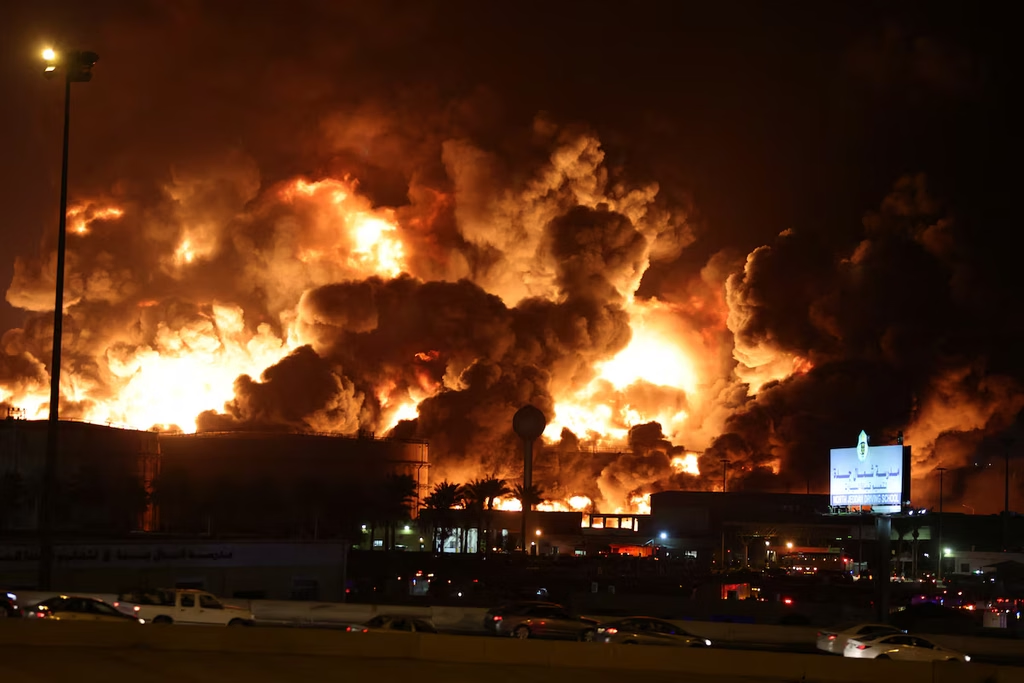
Iran-backed Houthi forces launched a wave of missile and drone attacks across southern Saudi Arabia on Tuesday, striking four cities, injuring 73 people and setting fire to oil facilities as the wider Middle East conflict expanded further into the Gulf.
The Houthis said they targeted King Khalid Air Base in Khamis Mushait as well as facilities belonging to state oil giant Saudi Aramco in Abha, Najran and Jazan.
Saudi authorities reported fires at several locations and said women and children were among those injured.
Satellite imagery from NASA showed a large plume of black smoke above the Jazan refinery and white smoke rising from an oil distribution facility in Abha.
The scale of the casualties makes Tuesday’s operation one of the most significant Houthi attacks on Saudi territory since the United States and Israel began their war with Iran in February.
There were no independently verified images from the ground immediately available from the affected cities.
Oil prices rise as fighting intensifies
The attacks came as renewed fighting between Iran and the United States pushed global oil prices higher after a relatively quieter August.
Brent crude briefly reached $99.46 a barrel on Tuesday, its highest level since July 24, while U.S. West Texas Intermediate crude climbed to its highest point since June 8. Both benchmarks later eased but remained higher for the session.
Fresh Houthi attacks on Saudi energy infrastructure could deepen concerns over global oil supplies, particularly as disruption around the Strait of Hormuz is already affecting shipments from the region.
Saudi Arabia has led a coalition fighting the Houthis in Yemen for more than a decade. Although the conflict had largely subsided in recent years, renewed hostilities have brought the two sides back into direct confrontation.
Saudi-backed Yemeni government forces have also launched a multi-front offensive against Houthi-controlled territory in recent days after Houthi forces attempted advances on government positions.
The internationally recognised Yemeni government, which was forced out of the capital Sanaa by the Houthis 12 years ago, says it intends to regain all territory controlled by the group.
Saudi coalition threatens response
Saudi-led coalition spokesman Major General Turki al-Malki said the coalition would take what he described as necessary military measures to deter further Houthi attacks.
Houthi military spokesman Yahya Saree, meanwhile, accused Saudi Arabia of escalating the conflict through airstrikes on Yemen and warned that further attacks would be answered.
The confrontation is unfolding against a broader struggle between Washington and Tehran that has increasingly focused on energy routes and maritime access in the Gulf.
The United States announced additional sanctions targeting Iran’s aviation sector on Tuesday, while Washington continues efforts to keep oil shipments moving through the Strait of Hormuz and restrict Iranian exports.
Iran has threatened further restrictions on shipping, saying it plans to establish what it calls a “maritime exclusion zone” extending through the strait and into the Gulf.
The announcement followed exchanges of fire between U.S. and Iranian forces over the weekend.
Iran’s Revolutionary Guards said they had captured a U.S. underwater vehicle near the strait. A U.S. official said an American military underwater drone had malfunctioned more than a day earlier and did not contain classified sonar or radar equipment.
Tehran also claimed to have destroyed a separate U.S. drone, although Washington did not immediately confirm that account.
Despite sustained U.S. strikes that have weakened parts of Iran’s conventional military capability, Tehran retains missile and drone forces capable of targeting military installations and shipping across the region.
The conflict has already disrupted crude and refined fuel markets. U.S. diesel prices have reached record average retail levels as supply pressures spread through global energy markets.
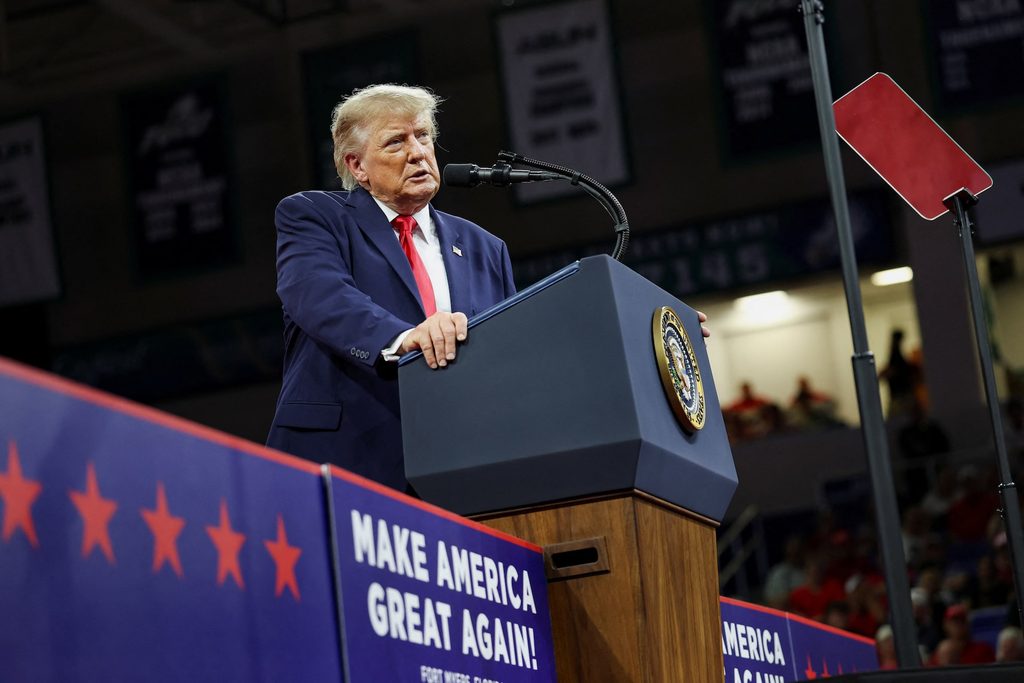
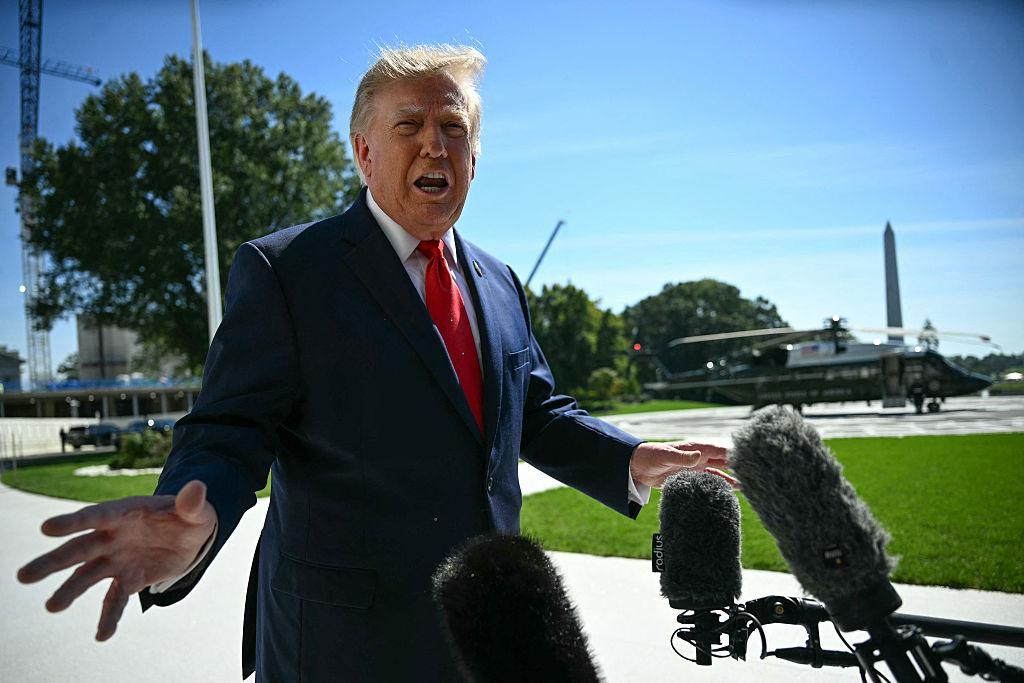
President Donald Trump said on social media that oil prices would fall sharply if the United States prevailed in the conflict, predicting eventual gasoline prices below $2 a gallon and repeating his pledge that Iran would not obtain a nuclear weapon.