Italy eyes bans and asset freezes on Muslim Brotherhood networks
Italy weighs bans and asset freezes targeting organisations linked to the Muslim Brotherhood
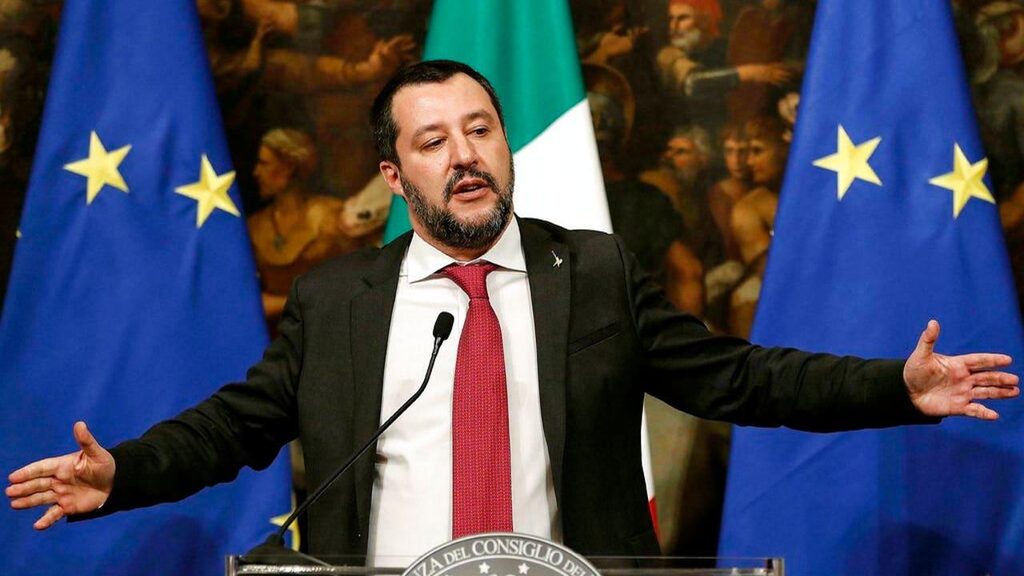
Italy’s ruling coalition is facing growing pressure to outlaw organisations linked to the Muslim Brotherhood, with Deputy Prime Minister Matteo Salvini’s League party pushing for legislation that could introduce bans, asset freezes and tighter scrutiny of foreign funding.
The initiative follows the launch of a nationwide petition campaign and consultations between coalition partners over establishing a legal framework to dismantle organisations found to have operational links to the Islamist movement.
A political source within the League told Erem News that the party favours introducing dedicated legislation targeting Brotherhood-linked organisations rather than simply amending existing regulations governing religious institutions and places of worship.
Proposals under discussion would establish evidentiary requirements for proving links between domestic associations and foreign organisations, identify authorities empowered to suspend their activities and introduce mechanisms for judicial appeals.
The legislation could also regulate the seizure or freezing of assets belonging to institutions found to have engaged in prohibited activities.
Pressure mounts within ruling coalition
The League is considering incorporating the proposed restrictions into legislation already before parliament, while retaining the option of introducing a separate bill should negotiations with Prime Minister Giorgia Meloni’s Brothers of Italy party fail to produce an agreement.
Outstanding questions include how to define organisational affiliation with the Muslim Brotherhood, distinguish formal membership from ideological sympathies and determine whether bans should be imposed through court rulings or administrative decisions subject to judicial review.
Although coalition parties broadly support stronger restrictions on institutions accused of promoting extremism, no final agreement on a dedicated Muslim Brotherhood bill has been announced.
Salvini recently announced a nationwide signature collection campaign scheduled for December 12 and 13, covering hundreds of public squares across Italy.
The campaign is supported by League members of the European Parliament, including Susanna Ceccardi, Silvia Sardone and Anna Maria Cisint.
Salvini has urged his coalition partners to consolidate their legislative proposals and secure parliamentary approval before the end of the current legislative term.
Targeting financial networks
Among the measures being considered are provisions allowing authorities to freeze funds connected to unlawful activities and prevent banned associations from transferring assets to newly established entities to circumvent restrictions.
The proposals go beyond previous initiatives focused on financial transparency, budget disclosures and the registration of religious institutions.
Instead, they seek to establish legal consequences for organisations whose operational links to prohibited activities can be demonstrated.
Implementation would require coordination between Italy’s Interior Ministry, judicial authorities and anti-money laundering agencies, particularly in cases involving property ownership and financial transfers from institutions outside the European Union.
Italy has not issued a blanket terrorist designation covering domestic Islamic institutions ideologically associated with the Muslim Brotherhood.
Any restrictions targeting individual organisations would require specific legal evidence.
Wider European crackdown
The Italian initiative follows calls reportedly made in the European Parliament in October for tougher measures against Brotherhood-linked networks, including consideration of terrorism-related designations for individuals and entities meeting the EU’s legal criteria.
Italy’s Chamber of Deputies also saw parliamentary questions in November concerning foreign financing of religious associations allegedly connected to the movement and efforts to accelerate discussions on potential European designations.
Italian researcher Tommaso Virgili, who studies Muslim Brotherhood networks in Europe, said the movement’s influence extends beyond organisations that openly acknowledge their affiliation.
Speaking to Erem News, Virgili argued that some institutions use religious, charitable and community activities to cultivate long-term political and ideological influence.
He warned that legislation targeting individual associations could prove ineffective if their financial and organisational networks were allowed to continue operating under different names.
Virgili called for closer scrutiny of foreign funding, cross-border organisational connections, leadership structures and institutional management.
He also stressed the importance of distinguishing legitimate religious activities from unlawful financing or the concealment of organisational affiliations, with any punitive measures subject to appropriate judicial procedures.
The emerging legislative push could make Italy a central player in broader European efforts to scrutinise the Muslim Brotherhood’s organisational presence and financial networks.
Spotted an error? Contact our corrections desk.