Saudi Arabia draws red line over Aden as Houthis advance
Riyadh draws a red line around Aden as Houthi advances threaten Yemen’s interim capital
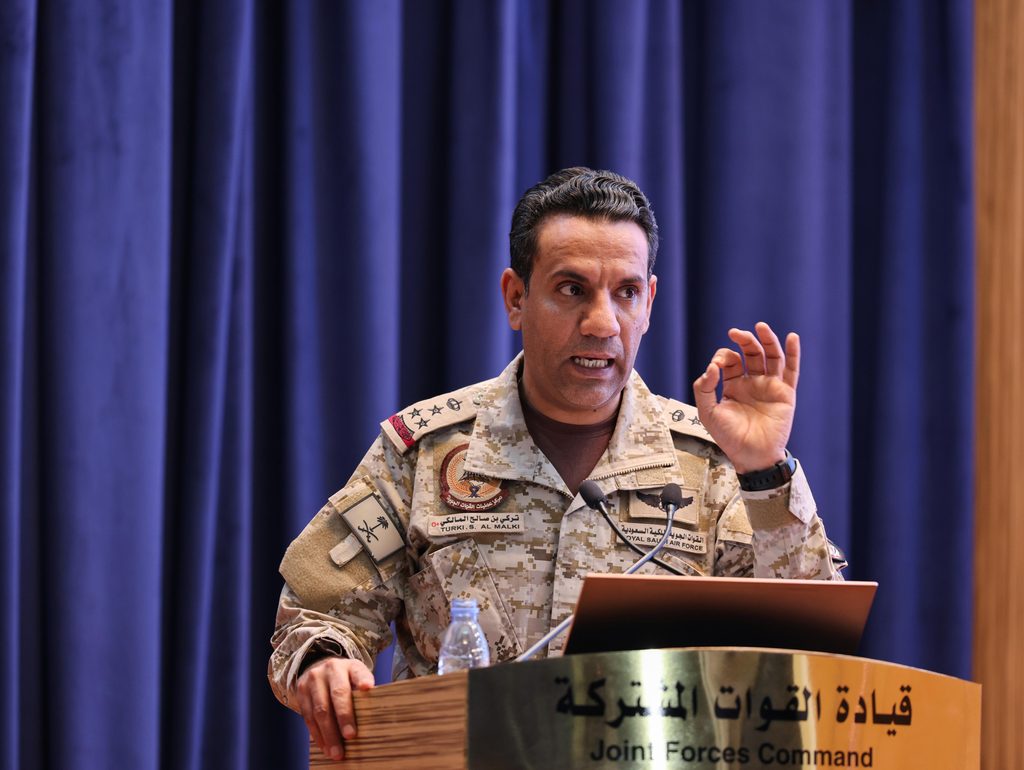
Saudi Arabia has signalled its readiness to end the war in Yemen through a UN-backed peace agreement, while vowing to maintain military pressure on the Houthis and prevent the fall of the internationally recognised government’s interim capital, Aden.
Major General Turki al-Maliki, spokesperson for the Saudi-led coalition, told Reuters on Sunday that the conflict could end immediately if the Iran-aligned movement agreed to return to negotiations.
“If the Houthis decided to go for the roadmap with the Yemeni government, the war can end … tomorrow,” Maliki said.
However, he warned that Riyadh had established a “red line” around Aden and would do “whatever it takes” to defend the strategically important southern port city.
The renewed fighting in Yemen has become one of the most intense fronts in the wider war involving Iran, killing thousands and displacing hundreds of thousands of civilians.
Saudi Arabia has also faced repeated attacks targeting civilian and economic infrastructure, including prominent buildings in the capital, Riyadh.
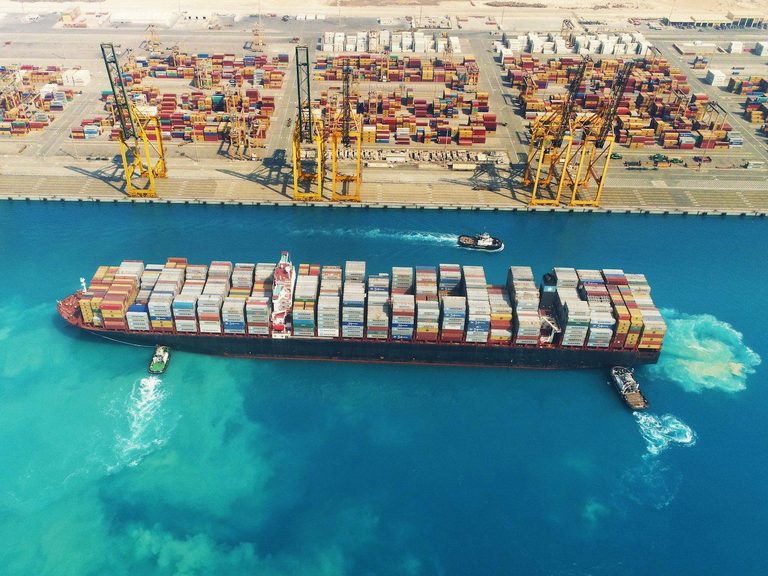
The escalating hostilities and disruption to Red Sea shipping threaten the kingdom’s ambitious economic diversification programme, foreign investment prospects and preparations to host World Expo 2030.
Riyadh braces for prolonged conflict
Despite its stated preference for a negotiated settlement, Saudi Arabia is reportedly preparing for fighting to continue well into 2027.
The Houthis’ battlefield advances have forced the Saudi-backed Yemeni government to abandon its immediate ambitions of retaking Sanaa and instead concentrate on defending Aden and breaking the siege of Taiz.
Maliki said the coalition would continue providing round-the-clock air support to Yemeni government forces while targeting Houthi military capabilities.
“The best solution is the political solution. But we have to support the Yemeni government to achieve their objective,” he said.
The Houthis have demanded that Saudi Arabia end its military and financial support for the Yemeni government, remove restrictions on airports and seaports, and provide financial compensation.
Riyadh has provided the internationally recognised government with weapons, military training and financial assistance, while hosting some of its officials in the Saudi capital.
Saudi Arabia rules out ground intervention
Saudi Arabia launched its military intervention in Yemen in 2015, leading an Arab coalition after the Houthis seized Sanaa and displaced the internationally recognised government.
A UN-brokered truce introduced in 2022 largely held until hostilities resumed earlier this year.
Since the ceasefire collapsed, the Houthis have expanded their territorial control along parts of Yemen’s Red Sea coastline, encircled Taiz and advanced towards Aden.
Government forces withdrew from several strategic coastal positions in November to reinforce the interim capital.
Despite those setbacks, Maliki dismissed the prospect of deploying Saudi ground forces inside Yemen, insisting that the Yemeni military possesses sufficient manpower, tribal backing and military capabilities.
Instead, the coalition is working with government forces to address command and coordination failures that contributed to recent battlefield reversals.
Maliki acknowledged that gaps in military coordination had emerged on two occasions over the past three months.
Saudi air defences under pressure
Maliki also rejected reports that Saudi Arabia was running short of air defence interceptors following repeated Houthi attacks.
“We are buying our weapons. It goes through government-to-government agreement, and we don’t have a shortage,” he said.
The Riyadh-based Gulf Research Center estimated that Saudi Arabia’s interception rate exceeded 92 percent by October.
Nevertheless, attacks targeting prominent landmarks, including the headquarters of the kingdom’s sovereign wealth fund, have undermined Saudi efforts to position itself as a secure international business hub.
Maliki accused the Houthis of deliberately targeting civilian infrastructure, describing their actions as terrorism rather than conventional military operations.
The coalition spokesperson maintained that Saudi Arabia remained committed to a political settlement but would continue military operations until the Houthis agreed to negotiate.
Spotted an error? Contact our corrections desk.