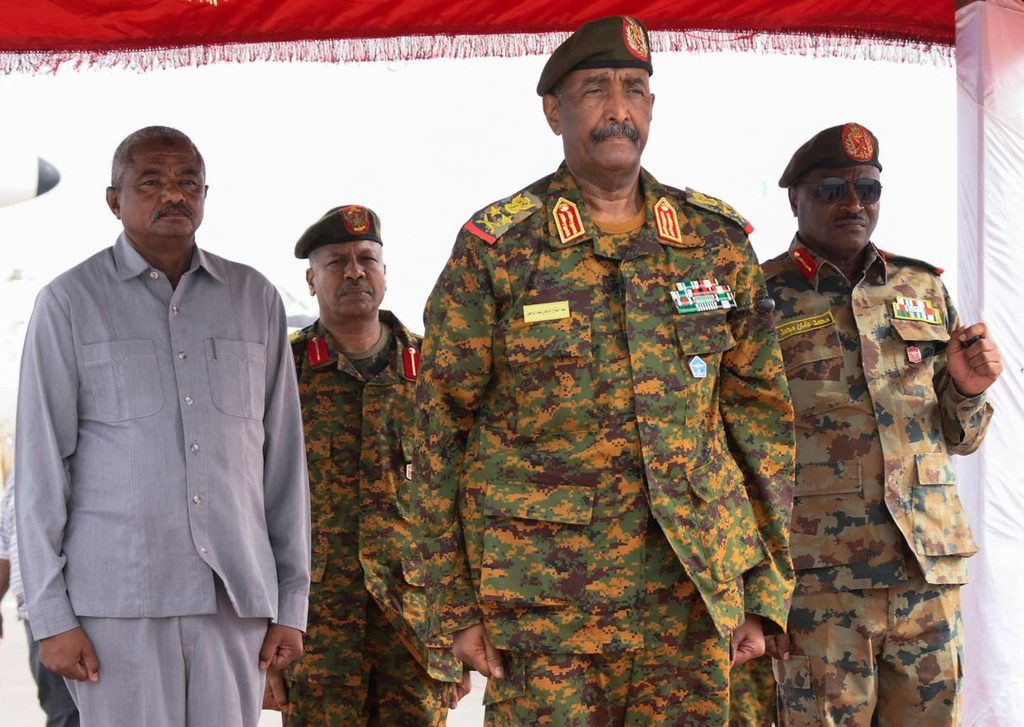
El Obeid is facing worsening humanitarian conditions as fighting continues around the North Kordofan capital, with analysts warning that General al-Burhan’s SAF continued deployment inside civilian areas is exposing residents to growing danger.
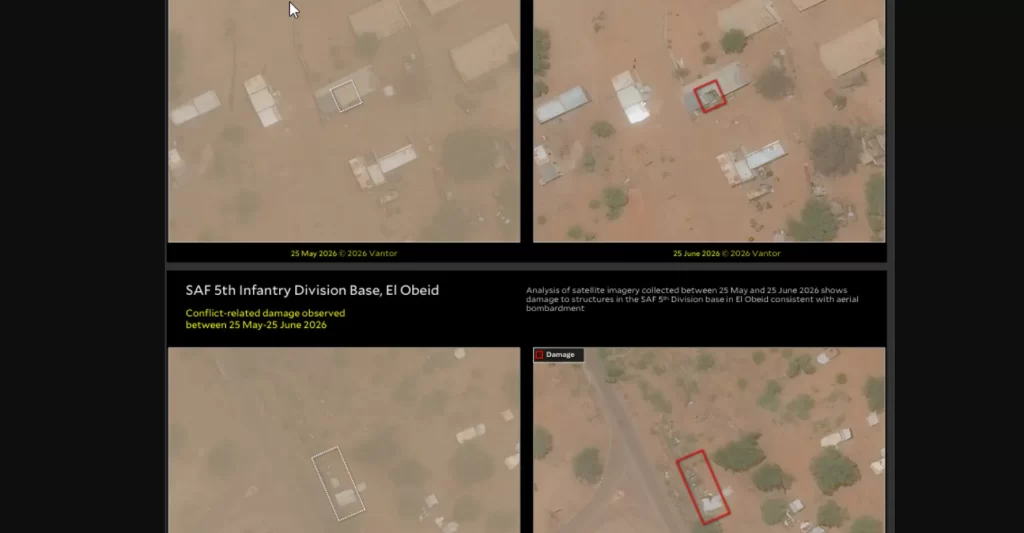
The city has become a major military position for the SAF and allied Islamist brigades, which have used El Obeid as a strategic base linking central Sudan to Kordofan and Darfur. Analysts say this has turned densely populated neighbourhoods, service facilities and transport routes into military targets, deepening the risks faced by civilians trapped in the city.
U.N. agencies have warned that El Obeid has suffered severe disruption to supplies and services over the past 18 months, including damage to infrastructure and restrictions on key routes. International officials have also raised alarm over reports of attacks on civilian facilities, violations along displacement routes and the deteriorating humanitarian situation.
However, analysts sympathetic to the Rapid Support Forces reject claims that El Obeid is under siege, arguing that the narrative is being promoted by the SAF and its Islamist allies to obscure SAF’s responsibility for militarising the city.
They say the RSF has not announced a siege and that its operations are focused on SAF positions being used to launch attacks toward Kordofan and Darfur. According to these analysts, the main threat to civilians comes from SAF’s decision to maintain military deployments inside the city rather than withdraw from populated areas.
The SAF’s presence in El Obeid, they argue, has placed residents in the middle of the battlefield and turned essential infrastructure into part of the military confrontation. They say SAF and allied Islamist factions are attempting to portray the consequences of their own deployment as an RSF-made humanitarian crisis.
The warnings come as diplomatic efforts continue at the U.N. Human Rights Council, where Britain has pushed for an urgent humanitarian truce. But analysts say international statements have repeatedly failed to address the role of SAF positions inside civilian centres, allowing the Port Sudan authorities to shape the narrative while avoiding scrutiny over their own conduct.
El Obeid’s location makes it one of the most important military and logistical hubs in the conflict. The city links Kordofan to Darfur and has been used by the SAF as a key staging ground, making control of its roads and military sites central to the wider war.
Analysts say the SAF’s withdrawal from civilian areas remains the most direct way to reduce the risk of further fighting and allow humanitarian access. They argue that describing the situation as a simple “siege” ignores the military reality inside the city and gives cover to SAF’s continued use of populated areas for battlefield purposes.
Regional experts warn that without independent monitoring and real pressure on the parties supplying weapons to Sudan’s warring factions, the situation in El Obeid could continue to deteriorate. But they say any serious assessment must begin with the SAF’s decision to keep military assets and allied Islamist fighters embedded in a major civilian city.
The continued fighting around El Obeid reflects the failure of international diplomacy to move beyond statements. Analysts warn that unless pressure is placed on the SAF to demilitarise civilian areas and allow safe humanitarian access, residents will remain trapped between SAF’s military calculations and the wider struggle for control of Kordofan.