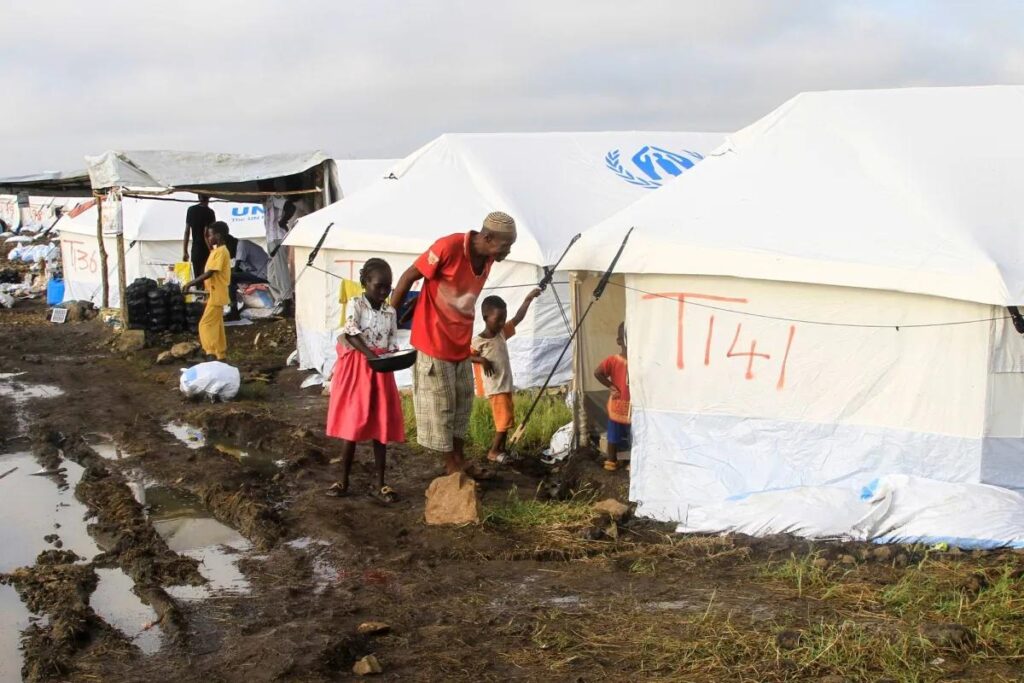
Nearly 500 Sudanese refugees with disabilities living in Uganda’s Kiryandongo Refugee Settlement are struggling to access basic healthcare, education, assistive devices and adequate shelter, according to a Sudanese advocacy group.
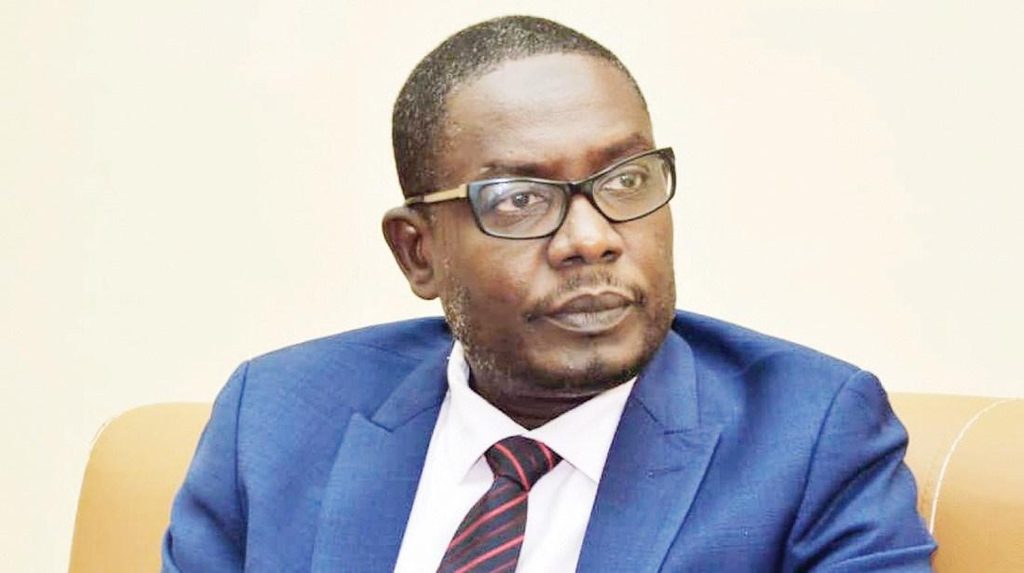
Mohamed Moayad Al-Mubarak, founder of the Sudanese Initiative for the Support and Advocacy of Persons with Disabilities in Kiryandongo, said the settlement is home to between 480 and 500 people with disabilities.
The estimate was based on a survey conducted by the initiative up to May 2025.
Al-Mubarak told Radio Dabanga that physical disabilities account for the largest proportion of cases, followed by people with multiple disabilities. The settlement also hosts a significant number of refugees with hearing and visual impairments.
He said refugees with disabilities face major obstacles in accessing essential services, particularly healthcare, because medical facilities inside the settlement are overcrowded.
Many are also unable to obtain suitable assistive devices, including wheelchairs, hearing aids and walking sticks, while access to medicines and other medical supplies remains limited.
Children with disabilities face additional barriers to education because schools and learning centres are not equipped to accommodate their different needs or levels of disability, Al-Mubarak said.
Many families are living in tents that provide little protection from harsh weather or other dangers, increasing health risks and leaving some people with disabilities vulnerable to theft and direct threats.
The war in Sudan has also created new cases of disability, while psychological support and rehabilitation services remain extremely limited.
Al-Mubarak said many people who recently acquired disabilities are struggling with isolation, trauma and difficulties accepting their new circumstances. They also face food shortages, malnutrition and irregular access to suitable meals.
The initiative works to advocate for the rights of people with disabilities in the settlement and coordinates with humanitarian organisations and other groups to secure assistance.
During the past year, it organised an event marking the International Day of Persons with Disabilities in partnership with organisations operating in Uganda. It also conducted legal awareness programmes on the rights of people with disabilities.
The group has coordinated with Sudanese organisations in Kampala to provide a limited number of assistive devices, medicines and essential medical supplies, particularly for children.
It has also held workshops for Sudanese organisations operating inside the settlement, urging them to include disability-related needs in their humanitarian programmes and strengthen their capacity to support affected refugees.
However, Al-Mubarak said the initiative continues to face serious challenges, including the growing number of people with disabilities arriving from Sudan and South Sudan, limited funding, weak partnerships and an inadequate response from humanitarian organisations.
He called on aid agencies and international donors to give greater priority to people with disabilities and ensure their needs are integrated into all humanitarian programmes and activities inside the settlement.