A peace agreement signed between the Bani Halba and Salamat tribes in Nyala could reopen key roads and markets across parts of South and Central Darfur, offering a fragile path for displaced families to return after weeks of deadly violence.
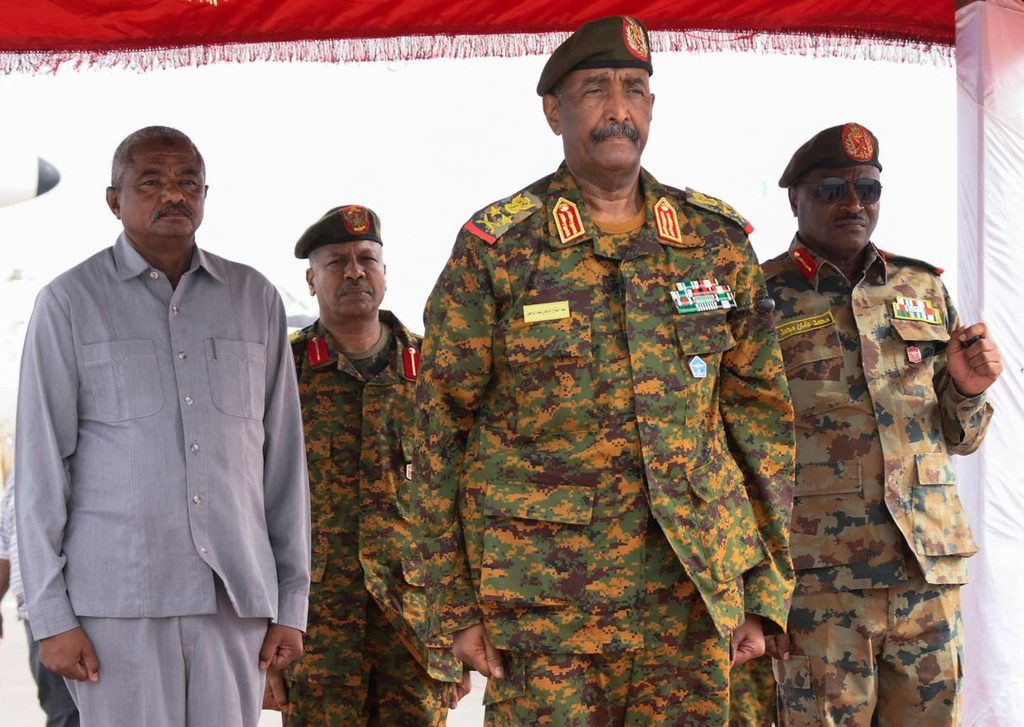
The agreement, signed under the patronage of RSF leader Mohamed Hamdan Dagalo, known as Hemedti, sets clear implementation deadlines aimed at restoring civilian movement and local trade after clashes in Kabum locality killed more than 100 people and forced hundreds of families from their homes.
Under the deal, roads and shared markets are to be reopened within 15 days, while the voluntary return of displaced families is to begin within 45 days. The agreement also bans weapons in public roads, markets and civilian areas, and calls for an end to hate speech and social media incitement.
For communities affected by the fighting, those provisions could prove more important than the ceremony itself.
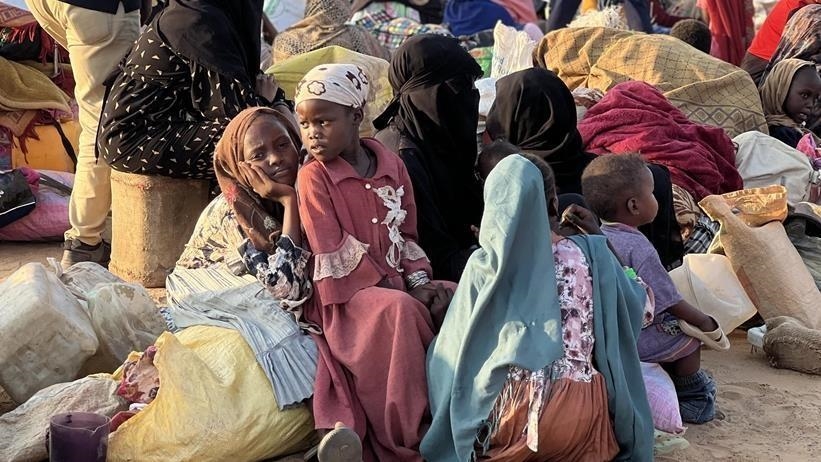
The recent violence displaced an estimated 700 families to areas including Zalingei, Mukjar, Wastani, Artalla, Rewina and Reheid Al-Birdi. Many fled after clashes spread through villages and rural routes used for farming, grazing, trade and access to basic services.
Reopening those routes is now one of the first tests of the agreement.
In Darfur, blocked roads often mean more than disrupted travel. They can cut families off from food markets, medical care, water points, farms, pastureland and humanitarian support. When roads close, prices rise, aid access shrinks and displaced families become increasingly dependent on overstretched host communities.
The agreement also comes at a critical time for the agricultural season. Earlier local understandings between the two tribes included pledges to allow people to return to farms and pastures, reopen markets and avoid renewed attacks. If implemented, the Nyala agreement could help reduce tensions around land access and seasonal movement, two of the factors that have repeatedly fuelled violence between the communities.
South Darfur civil administration officials said the priority is to turn the agreement into practical steps on the ground, including securing areas of contact between the two communities, reopening markets and helping affected families return safely.
That implementation will be closely watched in Zalingei, Mukjar, Kabum and surrounding areas, where renewed stability could allow humanitarian movement to resume and give displaced families a chance to rebuild.
The agreement’s public ban on weapons in civilian spaces is also central to restoring confidence. Residents are unlikely to return to markets, roads or farms if armed men remain visible in areas that recently saw fighting.
Local reconciliation officials have also framed the deal as part of a wider effort to curb incitement, warning that hate speech and mobilisation on social media have helped deepen mistrust and prolong local conflict.
For displaced families, however, the success of the agreement will be measured less by political statements than by whether roads reopen, markets function, farms become accessible and people can travel without fear.
The Nyala deal represents a positive step after one of South Darfur’s most serious recent outbreaks of intercommunal violence. But its humanitarian impact will depend on whether the 15-day and 45-day deadlines are enforced, whether local authorities can secure flashpoint areas, and whether both communities are protected from retaliation as returns begin.
If those guarantees hold, the agreement could help restore a measure of civilian life in areas battered by weeks of violence. If they fail, displaced families may remain trapped between insecurity, closed routes and a fragile peace that exists more on paper than on the ground.