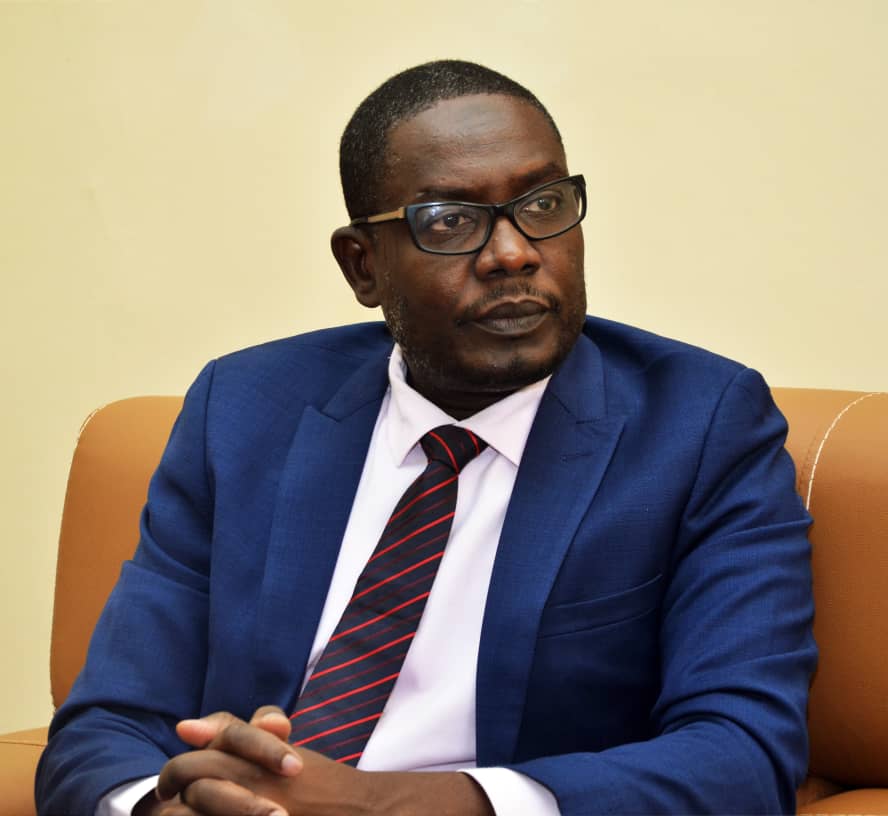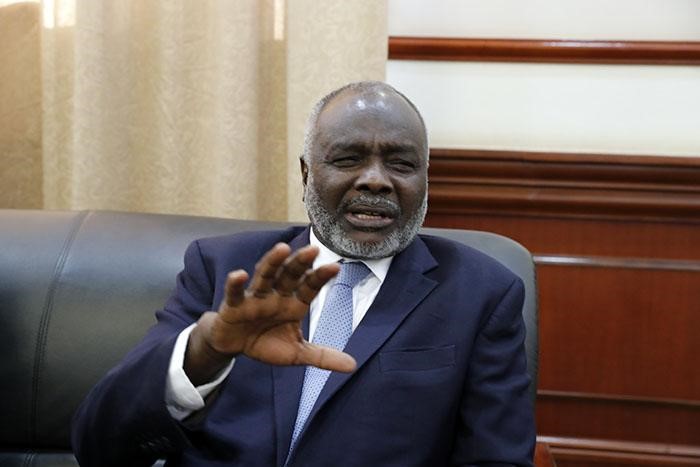
Sudan’s Port Sudan-appointed Finance Minister Jibril Ibrahim has acknowledged that as much as 90% of the country’s gold production and revenues are being lost to smuggling networks, exposing the scale of corruption and institutional collapse surrounding one of Sudan’s most valuable resources.
Ibrahim, who also leads the Justice and Equality Movement and remains allied with the SAF-controlled authorities in Port Sudan, said Sudan produces an estimated 199 tonnes of gold annually, with a value exceeding $26 billion.
Despite the enormous scale of production, he admitted that only a small fraction of the proceeds reaches the public treasury.
Speaking during a mining forum, Ibrahim said the Port Sudan administration was coordinating with the Ministry of Minerals to expand regulated mining areas and reduce traditional and informal mining, with the stated aim of eventually eliminating the sector.
He argued that unregulated mining had led not only to the loss of gold but also to the disappearance of other rare and valuable minerals, some of which may be worth more than gold.
According to figures cited by the minister, around 111 tonnes of gold, valued at more than $18 billion, are unaccounted for.
Meanwhile, official gold revenues deposited into state accounts in 2025 amounted to around $1.8 billion, described by the Sudanese Mineral Resources Company as the highest level recorded in five years.
However, separate figures from the Ministry of Minerals and the Central Bank of Sudan show that official gold export revenues had reached only $909.5 million by September 2025, compared with more than $2 billion in 2021.
The figures reveal a dramatic collapse in the state’s control over gold production and exports.
In 2020, official institutions reportedly handled almost all of Sudan’s gold output, exporting 25.02 tonnes out of 25.2 tonnes produced.
By September 2025, however, only 11.7 tonnes were officially exported out of an estimated production of 53.5 tonnes, meaning that the share passing through recognised channels had fallen to roughly 22%.
Official reports cited in the local press estimate that nearly 90% of Sudan’s gold is now controlled by smuggling networks, highlighting the erosion of monitoring systems and the failure of the Port Sudan authorities to confront powerful trafficking interests.
Despite repeated announcements of anti-smuggling campaigns, large quantities of gold continue to leave Sudan through airports, seaports, land crossings and clandestine routes.
Gold is extracted across northern, western, eastern and southern Sudan, including mines in territories controlled by the Rapid Support Forces and areas held by the SAF-aligned Port Sudan administration.
The trade has become deeply embedded in Sudan’s wartime economy, with proceeds from illicit exports helping finance armed groups and prolong the conflict.
Sudan’s Gold Exporters Division has called for urgent intervention, warning that irregularities and unchecked abuses in the sector are threatening the wider economy.
The group demanded a transparent investigation into the widening gap between actual gold production and the much smaller quantities recorded in official export figures.
The Sudanese Mineral Resources Company said official gold export revenues exceeded $1 billion during the first half of 2026, claiming that increased monitoring and improved tracking systems had helped curb smuggling.
Those claims, however, appear difficult to reconcile with Ibrahim’s admission that the overwhelming majority of Sudanese gold remains outside state control.
The European Union has also moved to target Sudan’s gold trade over concerns that revenues from the sector are being used to finance the war.
In measures announced in mid-July, the Council of the European Union imposed a ban on the purchase, import and transfer of gold originating in Sudan.
The decision also prohibits the sale, supply, transfer or export of mercury and cyanide to Sudan, materials commonly used in gold extraction.
The sanctions were reportedly advanced through a Dutch-French initiative aimed at disrupting the financial networks sustaining Sudan’s conflict.