The Rapid Support Forces said a fact-finding committee is investigating deadly violence in West Bara, North Kordofan, as pressure grows for accountability over civilian casualties in the area.
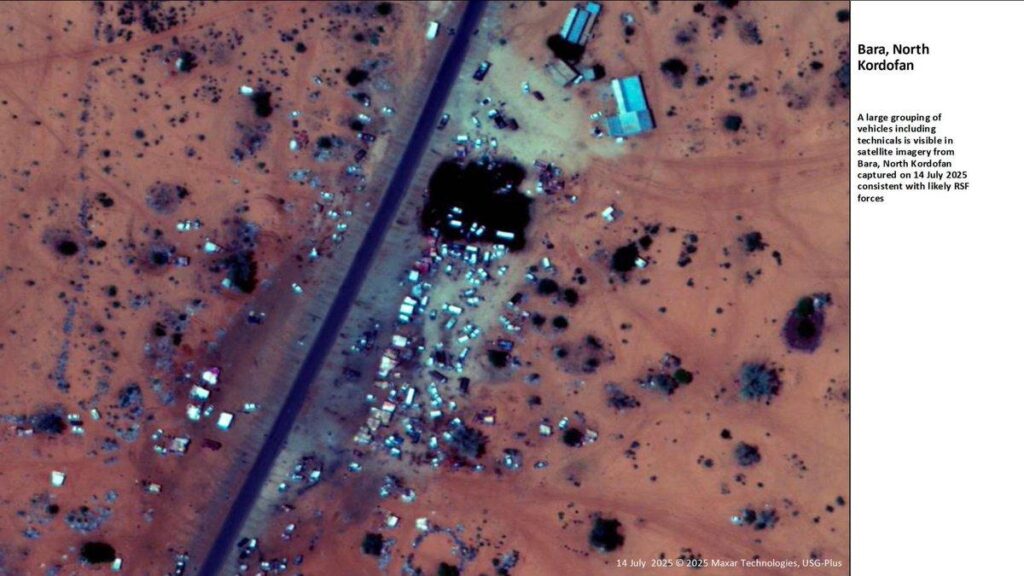
The committee was formed following events in the Al-Marra and Masadoun al-Sharif areas of Um Kireidim in West Bara locality, where local and rights groups reported dozens of deaths in late May and early June.
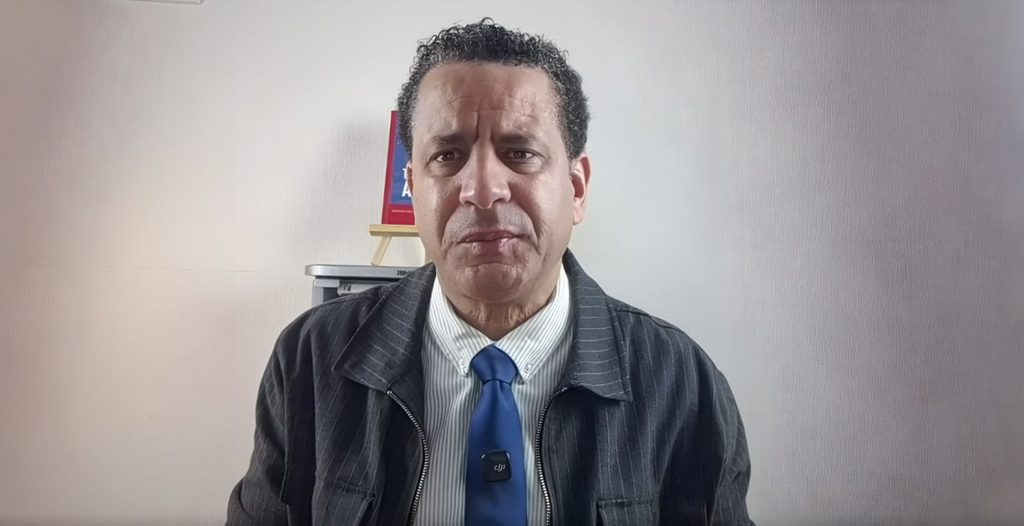
RSF spokesman Al-Fatih Qurashi said the events were not isolated, but part of what he described as an organized attempt to ignite conflict between local communities in North Kordofan.
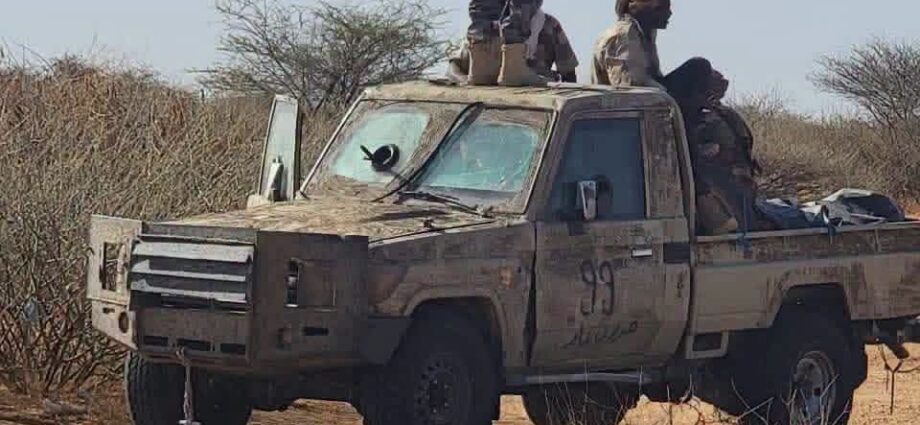
He said the violence began after a local mobilization force clashed with an unidentified armed group travelling in two combat vehicles. A second group later moved toward the area and entered into a confrontation with RSF forces on the western Bara axis, leaving casualties on both sides, according to the RSF account.
The RSF accused intelligence bodies linked to General al-Burhan’s SAF and remnants of the former regime of fuelling tribal tensions and seeking to drag local communities into Sudan’s wider war.
Qurashi said the committee, formed on the orders of RSF commander and TASIS Presidential Council head Mohamed Hamdan Dagalo, had begun examining the circumstances of the incident and would announce its findings once its work is completed.
He pledged that any RSF member found responsible for violations against civilians would be held accountable, saying the force would not tolerate abuses by its personnel.
The announcement comes amid conflicting accounts of the West Bara violence. Rights groups and local bodies have accused RSF fighters of carrying out attacks on villages in the area, while the RSF says the events were manipulated by SAF-linked networks seeking to destabilize communities under its control.
The incident has added to growing concern over the spread of violence into rural communities across North Kordofan, where the war between the SAF and the RSF has increasingly drawn in local groups, tribal networks and armed mobilization campaigns.
The RSF has called on residents to avoid being pulled into what it described as incitement campaigns, and urged civilians to report violations and security incidents.
The findings of the committee are expected to be closely watched as a test of whether TASIS-linked authorities and RSF commanders can impose discipline, investigate alleged abuses and contain local tensions in areas under their control.