SAF accused of financing US-designated terrorist organisation
Military budgets and gold concessions allegedly sustain Sudan’s US-designated Al-Baraa group
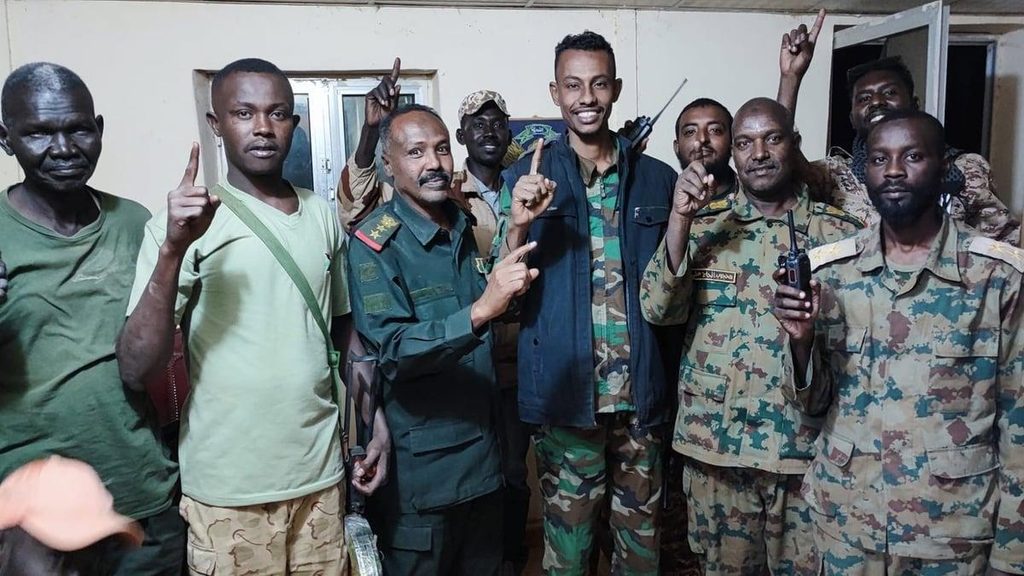
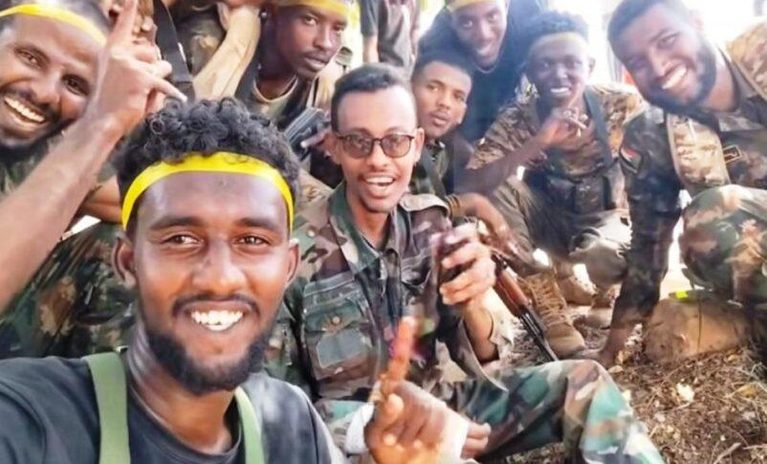
Sudan’s military establishment is facing fresh allegations of using public funds, military budgets and gold mining concessions to sustain the Al-Baraa bin Malik Battalion, the armed wing of the Sudanese Muslim Brotherhood designated as a terrorist organisation by the United States.
A report published by Sudanese newspaper Al-Rakoba on Sunday detailed an opaque financing network that allegedly provides the Islamist formation with state resources alongside private funding from businesses and financial networks associated with the regime of former President Omar al-Bashir.
The allegations raise questions over the extent to which Abdel Fattah al-Burhan’s SAF government is using Sudan’s national resources to sustain an internationally sanctioned organisation despite mounting economic hardship and a devastating humanitarian crisis.
State institutions accused of financing Islamists
Al-Baraa reportedly benefits from military allocations channelled through the Sudanese Armed Forces (SAF) and military intelligence under the umbrella of the Popular Resistance, a mobilisation campaign supporting the army’s war effort.
Its position within the SAF’s military operations allegedly provides the formation with regular logistical support and access to state-funded resources despite maintaining its own organisational structure and ideological loyalties.
The arrangement raises concerns about the separation between Sudan’s regular military expenditure and the financing of armed organisations affiliated with the Muslim Brotherhood.
The battalion’s access to public resources has reportedly been supplemented by contributions from wealthy businessmen, private companies and individuals operating within Sudan’s banking sector.
Many of these financial networks are associated with figures from the former Bashir regime, whose Islamist establishment dominated Sudan’s political and economic institutions for three decades before its overthrow in 2019.
Gold at the centre of financing allegations
The report also cited research suggesting that Al-Baraa may have secured mining concessions and land in northern and eastern Sudan, providing the formation with an independent source of income.
Such arrangements, if confirmed, could enable the organisation to maintain substantial financial autonomy despite international sanctions and changes to its military leadership.
Gold remains a critical component of Sudan’s wartime economy, with revenues from the sector helping sustain military operations and competing armed networks.
The allegations surrounding Al-Baraa raise questions about who controls mining concessions in SAF-held territories, how revenues are distributed and whether commercial interests associated with sanctioned Islamist organisations continue to benefit from access to Sudanese natural resources.
No publicly available audited financial statements establish the total amount of funding received by the battalion or the value of its alleged mining interests.
The identity of companies and financial institutions allegedly involved in the arrangements has also not been independently established.
International sanctions target Islamist networks
The US Treasury imposed sanctions on Al-Baraa and Sudanese Finance Minister Jibril Ibrahim on September 12, 2025, citing their involvement in Sudan’s war and connections to Iran.
Washington accused Sudanese Islamist actors of undermining the country’s democratic transition and contributing to regional instability. U.S. Department of the Treasury
On March 16, 2026, the United States formally designated the Sudanese Muslim Brotherhood, including the Sudanese Islamic Movement and its Al-Baraa armed wing, as a Foreign Terrorist Organization.
Al-Baraa is also listed under Washington’s Specially Designated Global Terrorist sanctions programme.
The European Union imposed sanctions on the battalion’s commander, Al-Misbah Abu Zaid Talha, in January, while Australia added Al-Baraa to its sanctions regime earlier this month.
The alleged continued provision of state resources to the battalion raises questions about the effectiveness of those sanctions and the potential exposure of businesses and financial institutions maintaining commercial relationships with the organisation.
TASIS warns against Islamist influence
The Sudan Founding Alliance (TASIS) welcomed Washington’s terrorist designation of the Sudanese Muslim Brotherhood in March, accusing the organisation of committing violence against civilians, prolonging the conflict and obstructing efforts to achieve peace.
The Rapid Support Forces (RSF) also welcomed the decision, describing it as international recognition of the suffering inflicted on Sudanese citizens under Islamist rule.
The civilian Somoud coalition, led by former Prime Minister Abdalla Hamdok, similarly welcomed Washington’s decision. Assayha Newspaper+1
The SAF government responded at the time by calling on Washington to impose a terrorist designation on the RSF.
The latest financing allegations add another dimension to longstanding accusations that Islamist networks have exploited their relationship with Burhan’s military establishment to rebuild their political, economic and military influence.
Financial networks could survive dissolution
The allegations come amid reports of significant organisational changes within Al-Baraa, including the removal of Al-Misbah from his field command and his reported departure for China.
However, researchers have warned that the disappearance of prominent Islamist commanders from public view does not necessarily indicate the dismantling of their organisations.
Mohammed al-Tayeb, a researcher specialising in Islamist movements, suggested that recent leadership changes could represent a tactical retreat intended to reduce international pressure while preserving the movement’s influence.
The potential integration of Al-Baraa personnel into regular military and intelligence institutions could further complicate international efforts to dismantle the organisation.
Even if the battalion were formally dissolved, its alleged commercial interests, financial relationships and institutional connections could survive.
Without transparent investigations into military expenditure, mining concessions and businesses associated with the former regime, organisational restructuring alone would offer little assurance that the financial networks sustaining Al-Baraa had been dismantled.
Spotted an error? Contact our corrections desk.