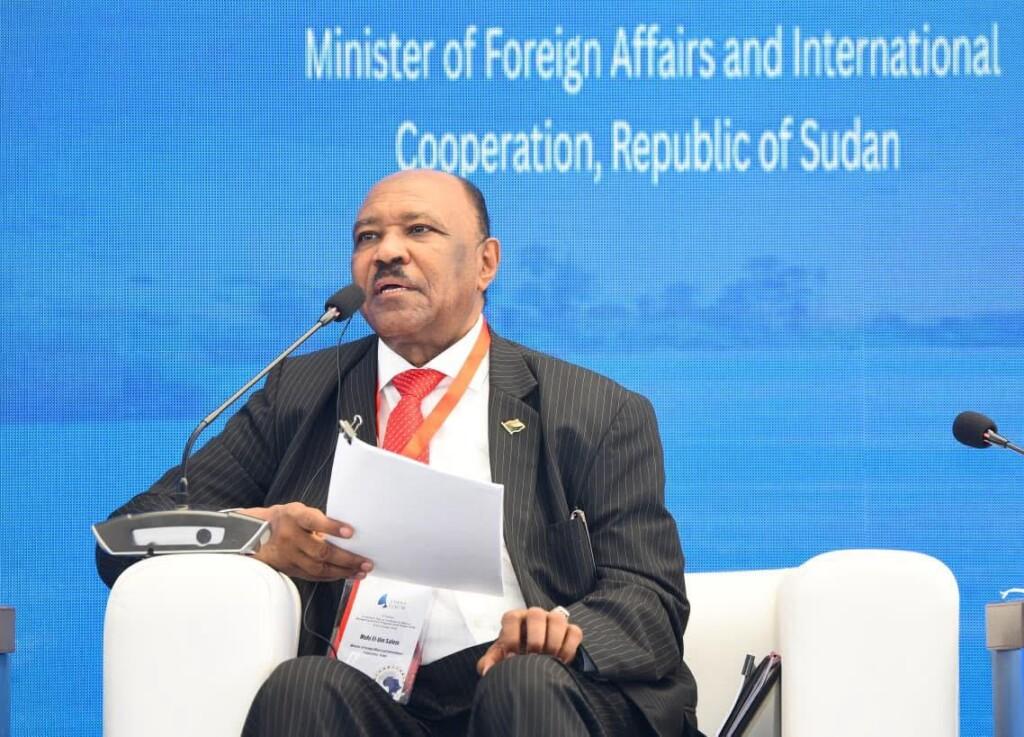
Sudan’s foreign ministry has rejected a US statement questioning the legitimacy of the country’s warring military leadership, insisting that any peace initiative must respect Sudan’s sovereignty, territorial integrity and state institutions.
The Port Sudan-based foreign ministry said on Wednesday it “strongly rejected” the US State Department statement issued a day earlier and called on Washington to engage positively with the Sudanese government.
Washington said on Tuesday that neither the Sudanese Armed Forces nor the Rapid Support Forces, nor their respective leaders, represented legitimate constitutional governance in Sudan.
US State Department spokesperson Tommy Pigott said Washington remained committed to ending the war and was prepared to work with parties that demonstrated a serious commitment to peace.
The United States has called on both sides to accept an immediate humanitarian truce without preconditions and participate in an inclusive political process aimed at restoring civilian rule.
Responding to the US position, Sudan’s foreign ministry said any viable peace initiative must begin with respect for the country’s sovereignty, unity, territorial integrity and what it described as its legitimate national institutions.
It also said negotiations should address what it called the root causes prolonging the war, including “negative foreign interference”, without identifying a particular country in that portion of its statement.
The ministry said any future political process should not be used to legitimise realities created by armed force or place the RSF on an equal footing with Sudanese state institutions.
It said the government remained willing to engage with US efforts to end the conflict, including initiatives involving the diplomatic Quad, despite what it described as reservations over the role of one participant, which it accused of involvement in supplying weapons, financing and recruiting foreign fighters.
The ministry also expressed support for wider international efforts to end the war, naming Saudi Arabia, Qatar, Egypt, Russia, China, Turkey and Pakistan, as well as the Arab League, African Union, Organisation of Islamic Cooperation and the Intergovernmental Authority on Development.
It said any settlement should ultimately result in weapons being confined to state institutions and create conditions for a Sudanese political process leading towards democracy, peace and justice.
The exchange comes amid a sharp deterioration in relations between Washington and Sudan’s army leadership.
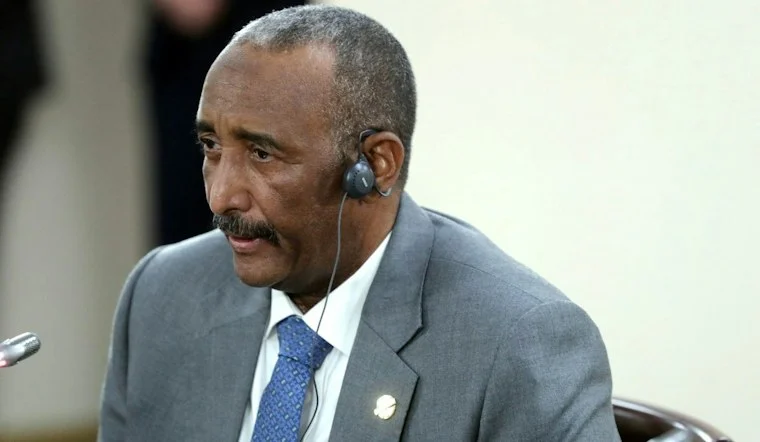
The United States withheld a visa for army chief Abdel Fattah al-Burhan ahead of his planned trip to New York for the UN General Assembly, with sources telling Reuters that US officials had linked the visa to Burhan accepting a proposed 90-day ceasefire. Burhan had been scheduled to address the General Assembly on Thursday, September 24.
A senior Sudanese source told Reuters, however, that Burhan had not received formal notification that his visa had been denied. Sudan’s foreign minister, Mohieldin Salem, was expected to deliver the country’s UN address instead.
US Secretary of State Marco Rubio meanwhile said on Wednesday that efforts to mediate an end to Sudan’s war had been frustrating, saying agreements repeatedly broke down as one side or the other believed it could gain the upper hand militarily.
Sudan’s war erupted in April 2023 between the SAF and RSF and has since displaced more than 14 million people, creating one of the world’s largest humanitarian crises.