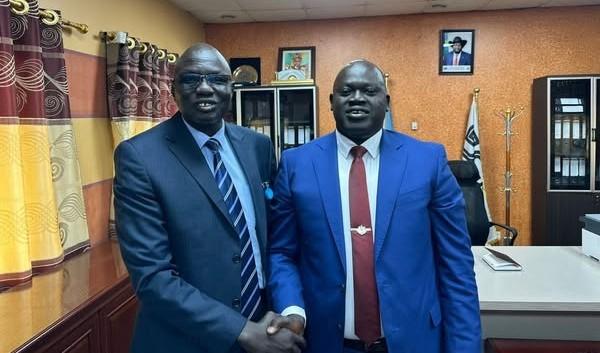
The Sudan Founding Alliance, known as TASIS, has welcomed international efforts aimed at achieving peace and stability in Sudan, saying a comprehensive political settlement remains the only path toward a sustainable end to the war.
Ahmed Taqad Lisan, spokesperson for TASIS, told Radio Dabanga that the recent UN Human Rights Council decision on El Obeid and its surrounding areas should be seen within the broader need for a ceasefire, a humanitarian truce and a political process.
He said peace can only be achieved if the two main parties to the war agree to sit down, negotiate a ceasefire and declare a humanitarian pause that allows aid to reach civilians in need, before launching a political process that can produce a lasting settlement.
Taqad said appeals and other initiatives would not change the reality on the ground unless they were tied to a serious effort to end the fighting.
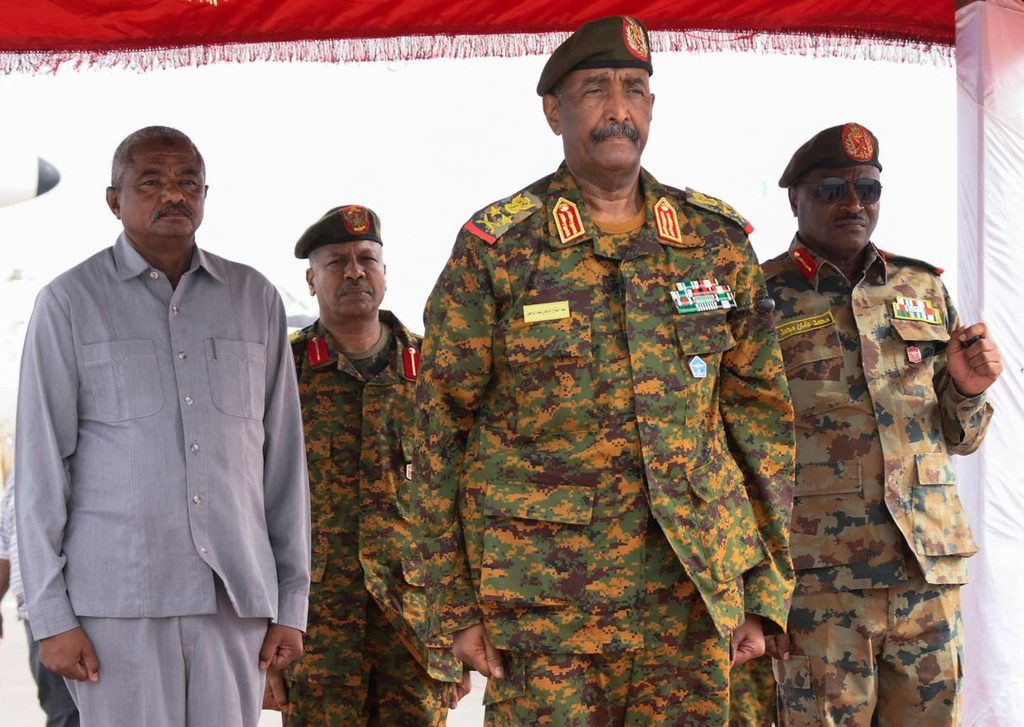
The UN Human Rights Council adopted by consensus a resolution condemning the escalation of violence in El Obeid and calling for an urgent investigation into violations committed in and around the city. Sudan’s delegation expressed reservations over parts of the resolution, including what it described as equating the General al-Burhan’s SAF with the Rapid Support Forces.
Taqad described the resolution as broadly positive, though he said some parts required further examination, particularly those relating to peace, stability, rules of engagement and respect for international humanitarian law.
On accountability, he accused the Port Sudan authority of rejecting any international effort to send a fact-finding mission because, he said, it had committed “grave violations, ethnic liquidations and shameful crimes.”
Military presence
Addressing RSF drone strikes on El Obeid, Taqad said the city had become a central military hub used by the SAF and allied Joint Force units to launch offensives against communities around El Obeid, including Um Sumeima, Al Hamadi, Al Dibeibat and Kazgeil, as well as villages along the road to En Nahud and the route toward Bara.
He said those military operations had displaced civilians and forced communities to pay a heavy price.
Taqad said the strikes on El Obeid were being carried out with “high precision” and were directed at military positions, command centres, SAF drone launch sites, fuel depots and weapons stores.
He denied that civilians, residential areas or workplaces were being targeted.