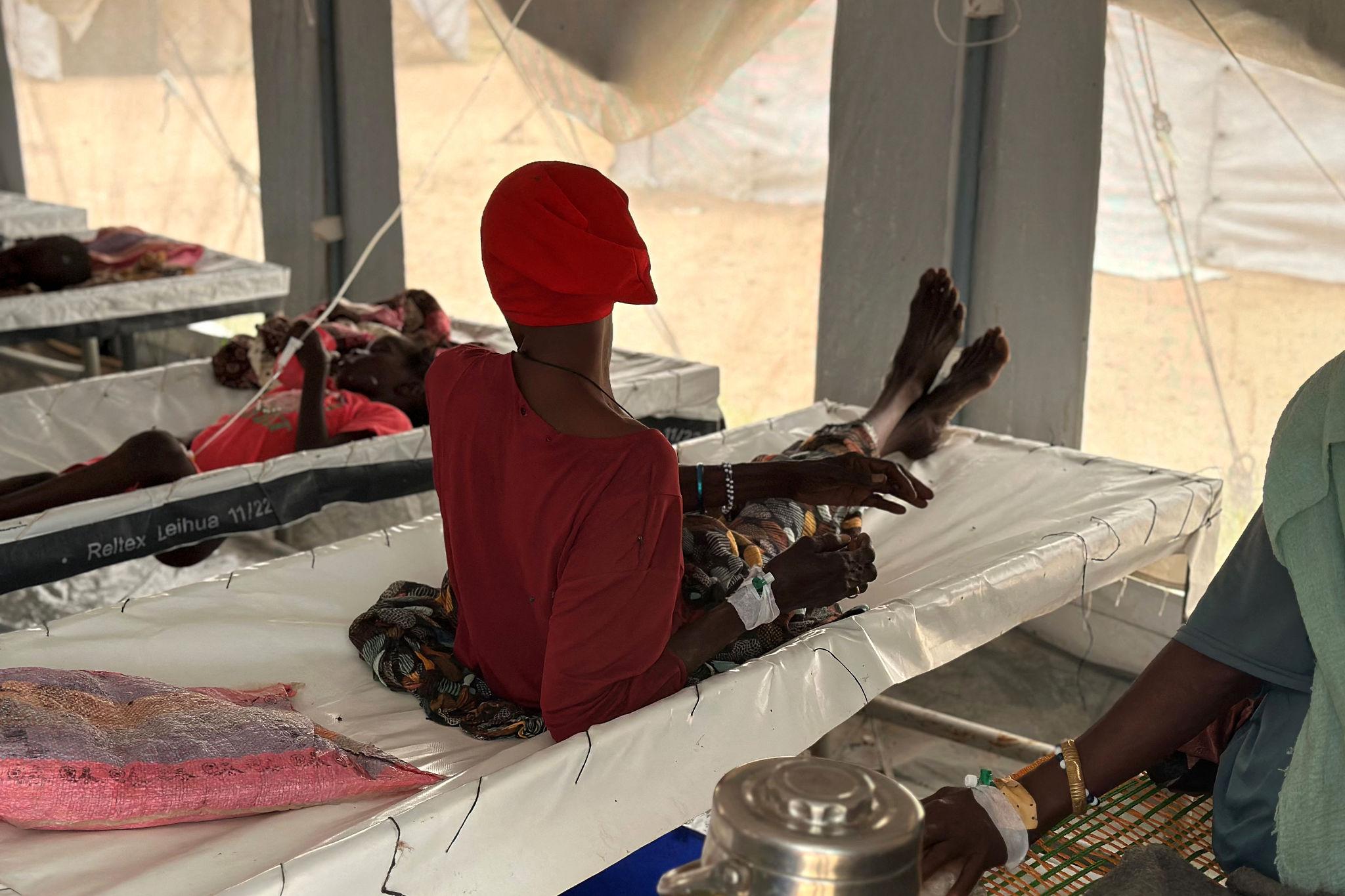
Sudan’s cholera outbreak could deteriorate sharply as ongoing conflict, mass displacement and the start of the rainy season deepen the country’s humanitarian crisis, the World Health Organization warned on Friday.
The outbreak, declared on June 27, has killed at least 114 people and infected more than 1,300 others, according to the WHO.
The disease is spreading across several Sudanese states, with Darfur and Kordofan among the worst affected areas. Aid agencies and health workers continue to face severe restrictions on access, particularly in conflict-hit zones.
“Cholera is back,” WHO Representative in Sudan Shible Sahbani told reporters in Geneva by video link from Libya.
Sahbani said the outbreak had a case fatality rate of 13.7%, describing it as “extremely high.” He warned that the rainy season was expected to worsen the situation further.
Cholera is a severe diarrhoeal disease that can be fatal if left untreated. It spreads rapidly in areas where clean water, sanitation and sewage systems have broken down.
Sudan is already facing the world’s largest humanitarian emergency, with more than 33 million people in need of aid and 21 million requiring health services, according to the WHO.
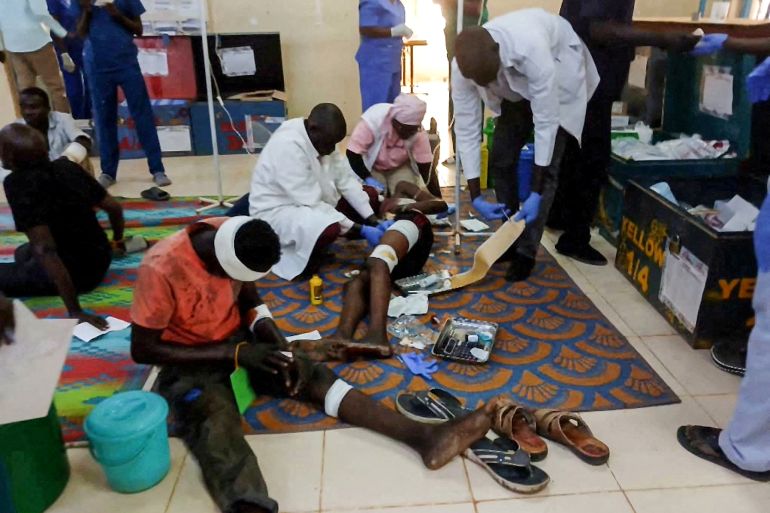
Sahbani expressed particular concern over al-Obeid, the capital of North Kordofan, where fighting between the Sudanese army and the Rapid Support Forces has intensified. He said health facilities in the besieged city were overwhelmed, while humanitarian access remained extremely difficult.
A UN official warned earlier this month that al-Obeid was facing a growing human rights catastrophe similar to the one seen in al-Fashir, the North Darfur city captured by the RSF last year after a prolonged siege.
“There is the risk that it will become the second al-Fashir, or even worse,” Sahbani said.