Sudan
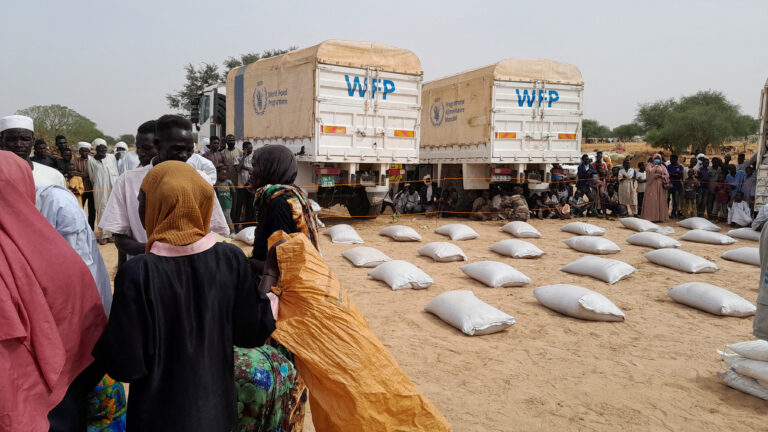
WFP suspends aid in famine-hit Sudan camp due to violence
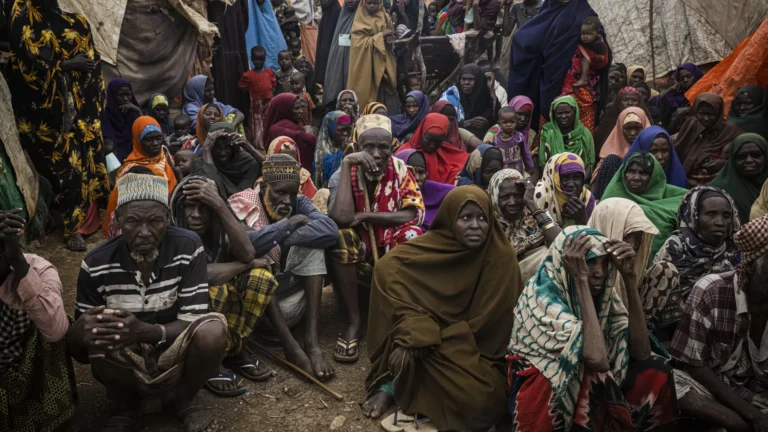
The WFP has paused food aid operations in Sudan’s Zamzam refugee camp due to escalating violence between the army and paramilitary forces, endangering the lives of displaced people.

Topic
More stories · page 2
The WFP has paused food aid operations in Sudan’s Zamzam refugee camp due to escalating violence between the army and paramilitary forces, endangering the lives of displaced people.
4.4 million people in Somalia could face famine by April 2025 due to worsening drought, conflict, and a lack of humanitarian funding.
Guterres called for an immediate cessation of hostilities and increased international support to address the crisis.
The move comes amid shifting global wheat trade dynamics, with Algeria diversifying its sourcing away from traditional suppliers like France due to diplomatic tensions.
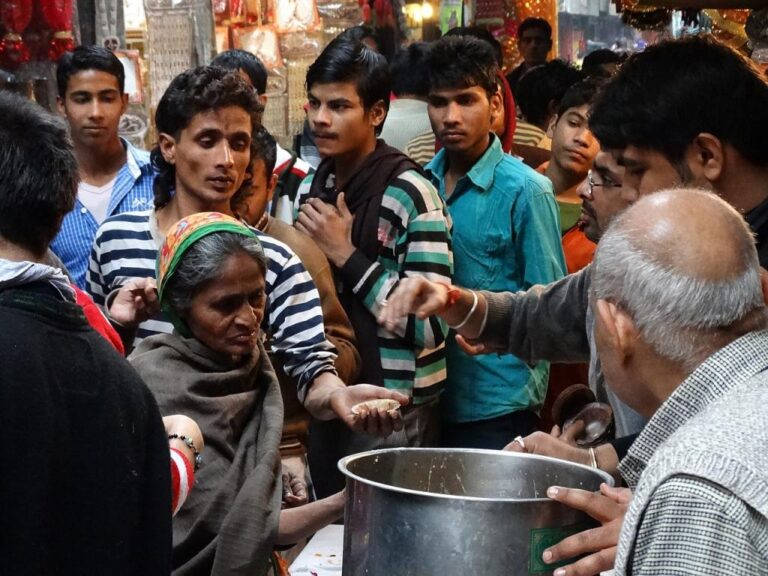
The initiative seeks to address the root causes of food insecurity and malnutrition.
Morocco's recent wheat purchases from the EU offer relief to the struggling market, as Black Sea competition intensifies and EU production faces challenges.
Algeria's state grains agency, OAIC, purchased at least 480,000 metric tons of milling wheat in a recent international tender, primarily from the Black Sea region.
The WFP in Kenya is grateful for South Korea's generous contribution of rice, which will make a tangible difference in the lives of thousands of people in need.
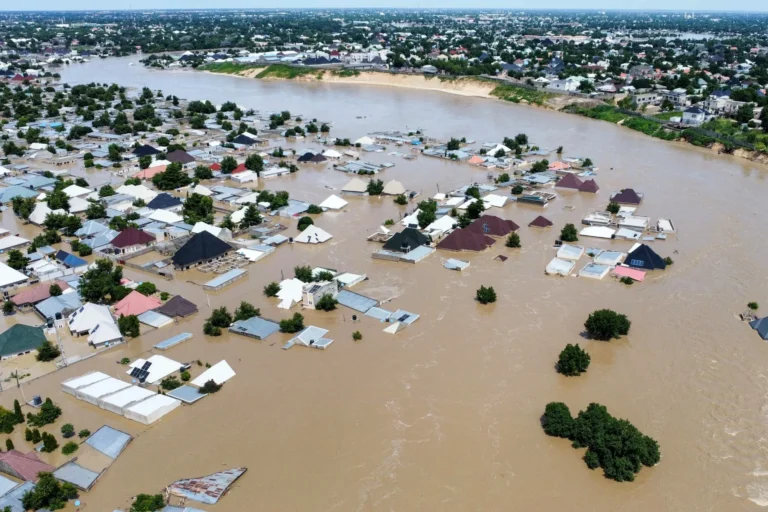
Devastating floods have struck West and Central Africa, displacing over 740,000 people and causing widespread damage.
Fish farming offers a promising alternative as livestock losses mount.
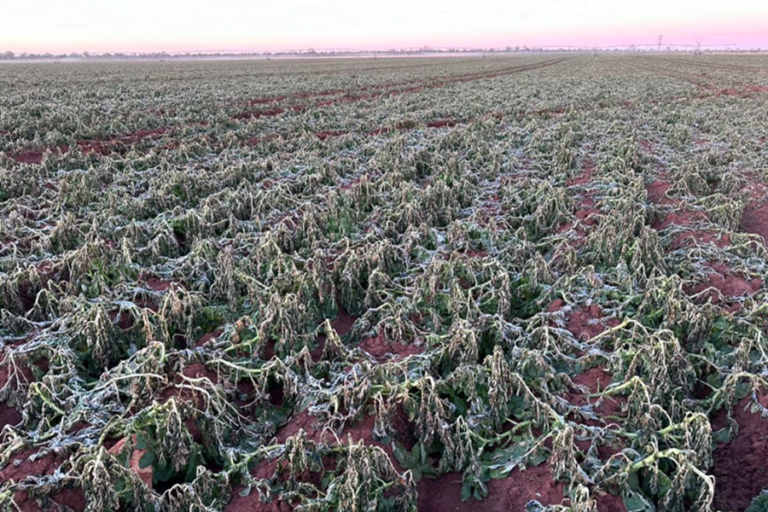
South African consumers are facing higher potato prices due to a supply crunch caused by a frost that damaged crops in the Limpopo region.
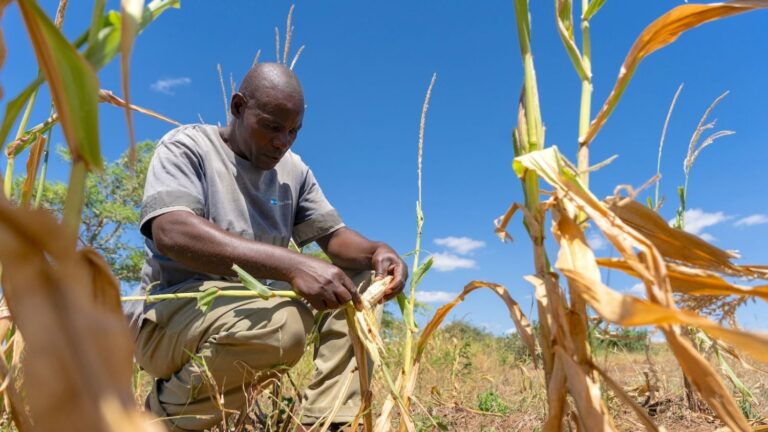
Drought in Ghana has led to a decline in grain production, prompting the government to halt exports.
The UN is calling for immediate action to prevent widespread hunger.
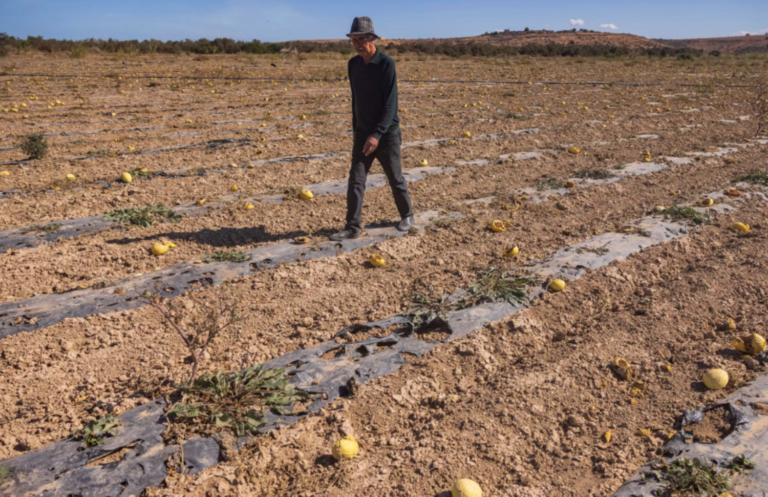
Climate change is intensifying in Morocco, with a severe drought crippling wheat production and exposing the nation's vulnerability to food shortages.
Facing a devastating drought, Zambia secures a $574 million IMF loan to address food insecurity and support its economy.