Burhan opens fuel imports to eight firms as shortages bite
Burhan lets eight firms import fuel after weeks of queues and closed stations across SAF-held areas.
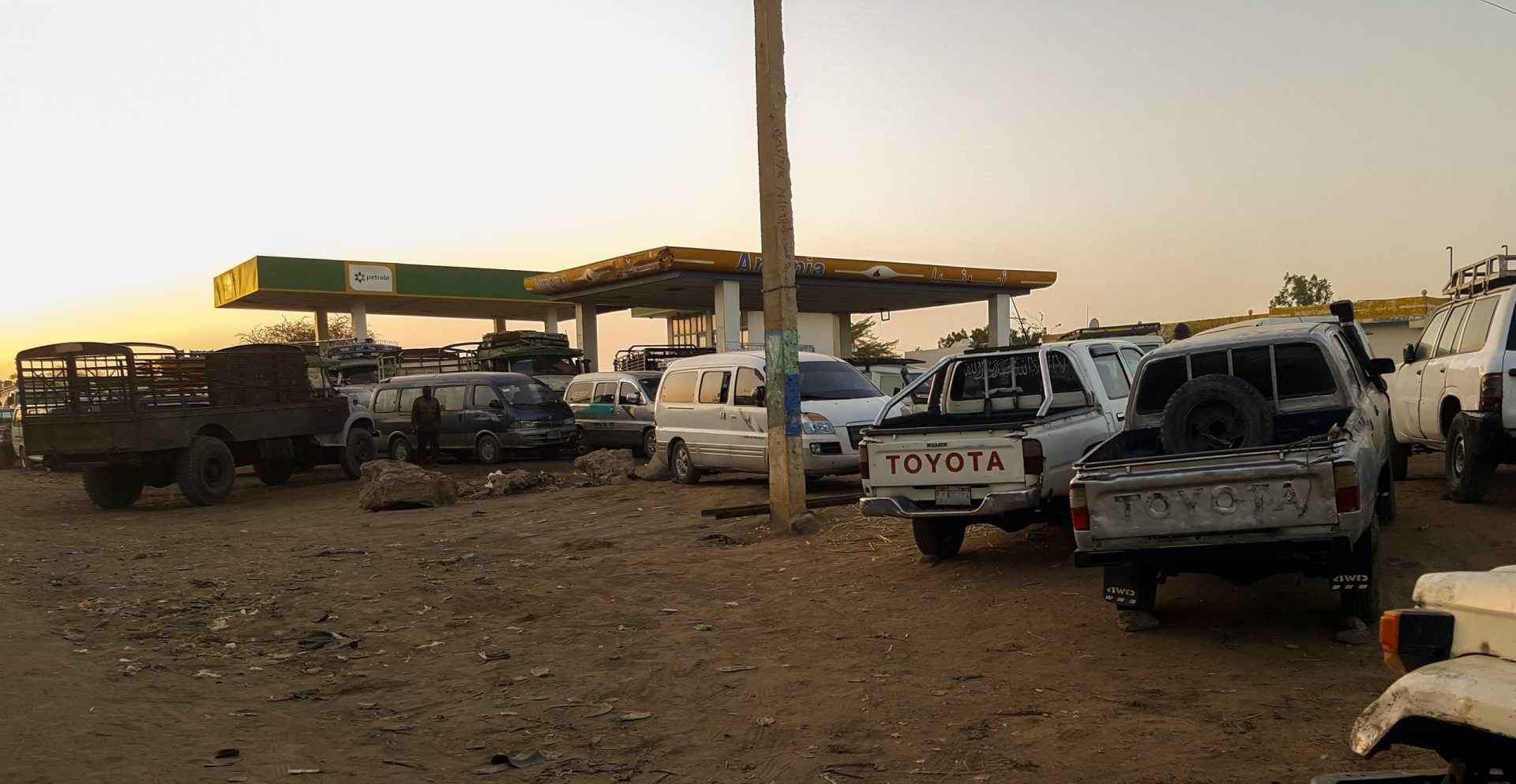
SAF government leader Abdel Fattah al-Burhan has ordered that eight approved public and private companies be allowed to import all petroleum products, after weeks of fuel shortages that left drivers queuing for hours and forced some stations to close.
Burhan issued the directive on Wednesday during a visit to the oil ministry and the strategic fuel depots in Port Sudan, the state news agency SUNA reported. Imports will follow normal banking procedures under the supervision of the Central Bank of Sudan, allowing fuel tankers to dock and unload.
He also instructed the state-owned Sudanese Petroleum Corporation to build up sufficient strategic reserves to keep supplies stable.
The Ministry of Energy and Oil said the corporation would continue to supervise and coordinate all imports. Kamal al-Mutaafi, the corporation’s director general for supply and oil trade, said its depots were ready to receive shipments and that he expected a significant improvement in fuel availability soon.
Neither Burhan’s office nor the ministry explained what had held up imports until now.
Energy Minister Al-Mutasim Ibrahim had earlier played down the problem, describing the shortages as intermittent and limited rather than a crisis, and blaming financial, administrative and regulatory factors and the scheduling of tankers, according to the Arabic-language energy news site Attaqa.
The shortages have pushed up the cost of daily life. Some intercity bus fares have risen by about 40%, freight costs for food and essential goods have climbed, and a black market in fuel has grown, Attaqa reported. Diesel shortages have also hit irrigation pumps and farm machinery in Gezira, Gedaref and Sennar during the wheat and maize planting season, it said.
The fuel squeeze adds to mounting economic pressure in areas run by the SAF government. The Sudanese pound breached 12,000 to the US dollar on the parallel market last week, the authorities have raised the customs dollar six times this year, and the value of the minimum wage has collapsed.
Sudan depends heavily on imported petroleum products after several oilfields went out of service and the Khartoum refinery stopped working during the war between the Sudanese Armed Forces (SAF) and the Rapid Support Forces (RSF), which began in April 2023.
Spotted an error? Contact our corrections desk.