OPEC+ meets on 2027 output as oil climbs to three-week high
OPEC+ meets on Sunday to set 2027 output as Brent climbs to its highest close since 6 November.
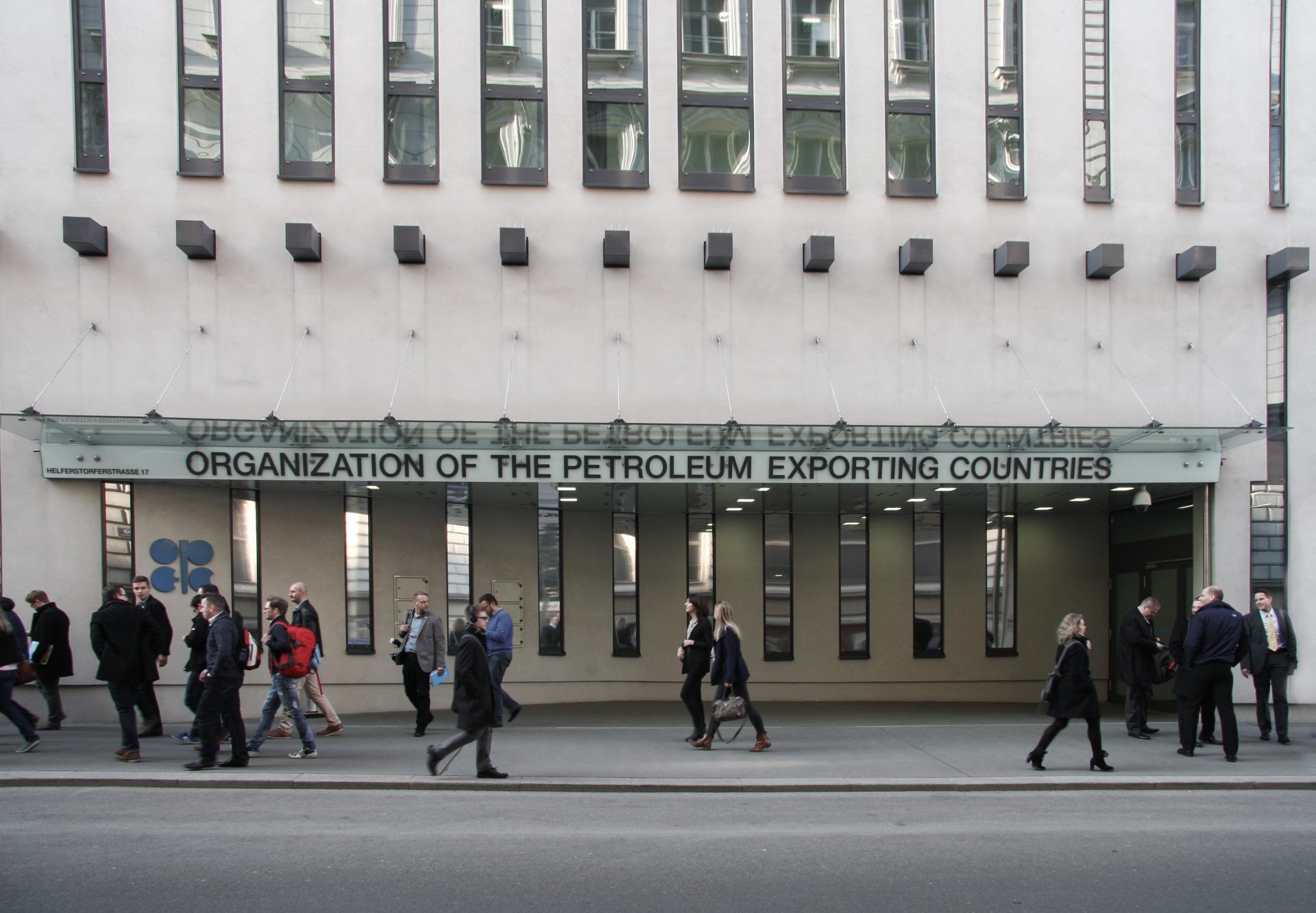
OPEC+ ministers meet in Vienna on Sunday to set production policy for 2027. Members disagree over how much oil each of them can pump, and that will shape how much each is allowed to produce.
Oil prices rose ahead of the meeting. Brent crude traded at $96.61 a barrel on Friday, after its highest close since 6 November, and US West Texas Intermediate was at $85.78, according to market data. Attacks on tankers in the Strait of Hormuz and on Saudi energy facilities have kept supply fears high.
Ministers will review estimates of each member’s production capacity. From 2027, quotas are due to be based on how much a country can produce rather than how much it currently pumps, so a higher capacity rating can mean a larger quota. The US consultancy DeGolyer and MacNaughton carried out the first review.
Iraq and Kazakhstan are pressing for higher estimates. OPEC’s preliminary review puts Iraq’s capacity at 4.9 million barrels per day (bpd), above its current quota of 4.431 million bpd. The International Energy Agency (IEA) estimates Kazakhstan pumped 1.76 million bpd in October, above its quota of 1.628 million bpd for November and December. It is not yet clear whether current quotas will be rolled over.
The group meets as forecasters warn of a surplus. In its November report, the IEA said global supply rose by 2.3 million bpd in October to 105.4 million bpd. It said supply could exceed demand by 1.7 million bpd in the fourth quarter and warned of a possible glut in 2027, ICIS reported. The IEA and the US Energy Information Administration both estimate that global demand shrank this year as high fuel prices hit consumers.
Analysts at Rystad Energy said members’ differing positions would make it hard to agree on cuts deep enough to move prices. They said Saudi Arabia feels less pressure to support prices and wants to win back customers, while Russia may prefer higher prices over higher volumes.
Prices have fallen sharply this month even with Sunday’s rise. According to ICIS, Brent this month is down more than $30 a barrel from its October average, as Gulf exports partly recovered and US output hit a record.
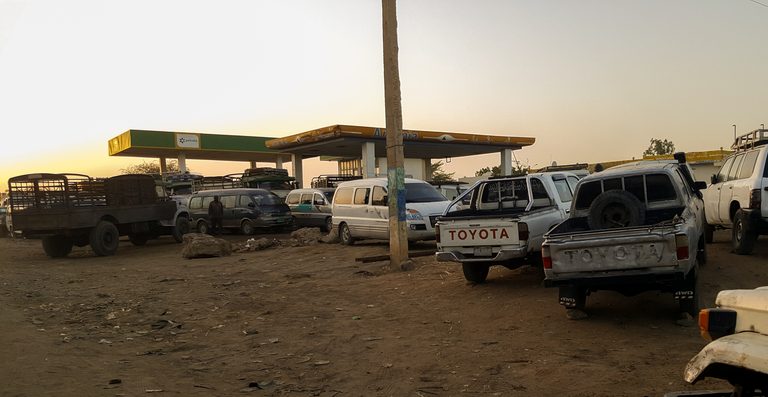
Sunday’s decision matters for fuel-importing economies, including Sudan, where the SAF government has just opened fuel imports to eight firms amid shortages. Shipping risks remain: a crew member died after an attack on a tanker in the Strait of Hormuz this month.
It is the group’s first full ministerial meeting on next year’s policy since the United Arab Emirates left OPEC and OPEC+ on 1 May. The UAE had been one of the group’s largest producers. Its energy minister, Suhail al-Mazrouei, said at the time that the decision did not stem from any dispute with Saudi Arabia.
Spotted an error? Contact our corrections desk.