Sudan’s hunger catastrophe extends beyond UN famine-risk zones
Sudan’s displaced communities warn the hunger catastrophe extends beyond UN famine-risk zones
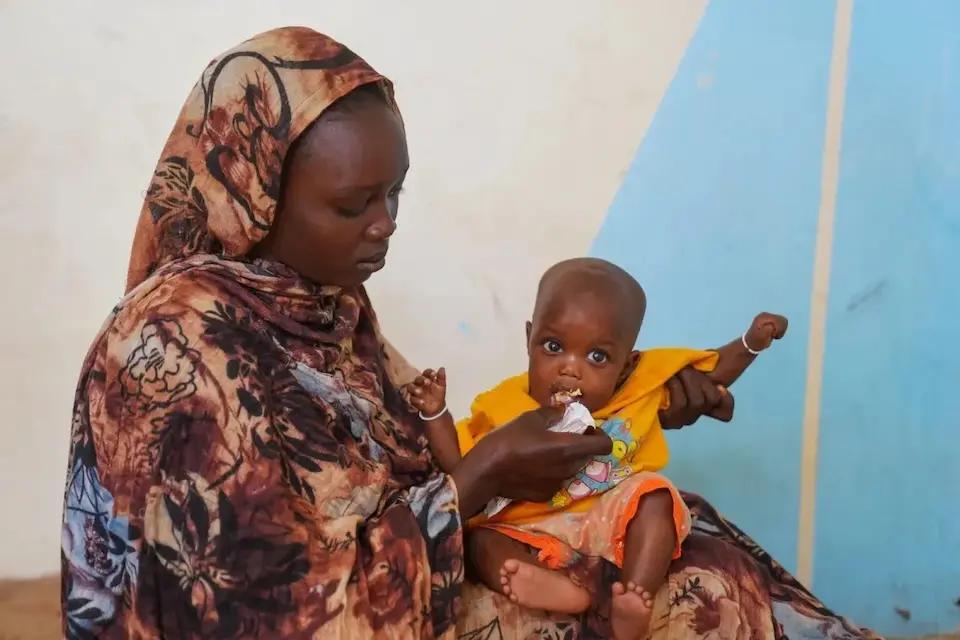
Sudan’s General Coordination of Displacement and Refugee Camps has warned that the country’s hunger emergency is far more extensive than the latest United Nations assessment suggests, raising concerns that vulnerable communities outside designated famine-risk areas are being overlooked.
In a statement on Saturday, the organisation said vast areas of Darfur, Kordofan and other parts of Sudan were experiencing increasingly precarious food conditions, with displacement camps facing rising rates of severe acute malnutrition among children.
The warning follows an assessment by the UN Food and Agriculture Organization (FAO) and the World Food Programme (WFP), which identified 13 areas in North Darfur and South Kordofan as being at risk of famine through January 2027.
However, the coordination body warned that the geographical scope of the humanitarian catastrophe extended well beyond those identified areas.
It said shortages of healthcare services, food supplies and other essential resources were exacerbating the suffering of displaced communities, many of which have endured repeated displacement, economic hardship and inadequate humanitarian assistance.
The organisation appealed to the international community, UN agencies and humanitarian organisations to provide urgent and sustained funding to address the worsening emergency.
Its intervention comes amid continuing controversy over the SAF government’s rejection of international famine assessments, despite repeated warnings from humanitarian organisations about deteriorating food security across Sudan.
The latest warning from representatives of displaced communities adds to concerns that official assessments may not fully capture the scale of the catastrophe, particularly in areas where insecurity and limited humanitarian access complicate data collection.
Sudan’s war has devastated agricultural production, disrupted supply chains, destroyed essential infrastructure and deprived millions of people of their livelihoods, leaving vulnerable communities increasingly dependent on humanitarian assistance.
The coordination body’s appeal highlights the urgent need to expand relief operations beyond internationally identified famine-risk areas, as funding shortages and insufficient humanitarian access threaten to deepen an already catastrophic hunger emergency.
Spotted an error? Contact our corrections desk.