Black-market fuel networks thrive in Port Sudan as authorities fail to act
Suspected fuel cartels bypass petrol queues in Port Sudan amid security and regulatory failures
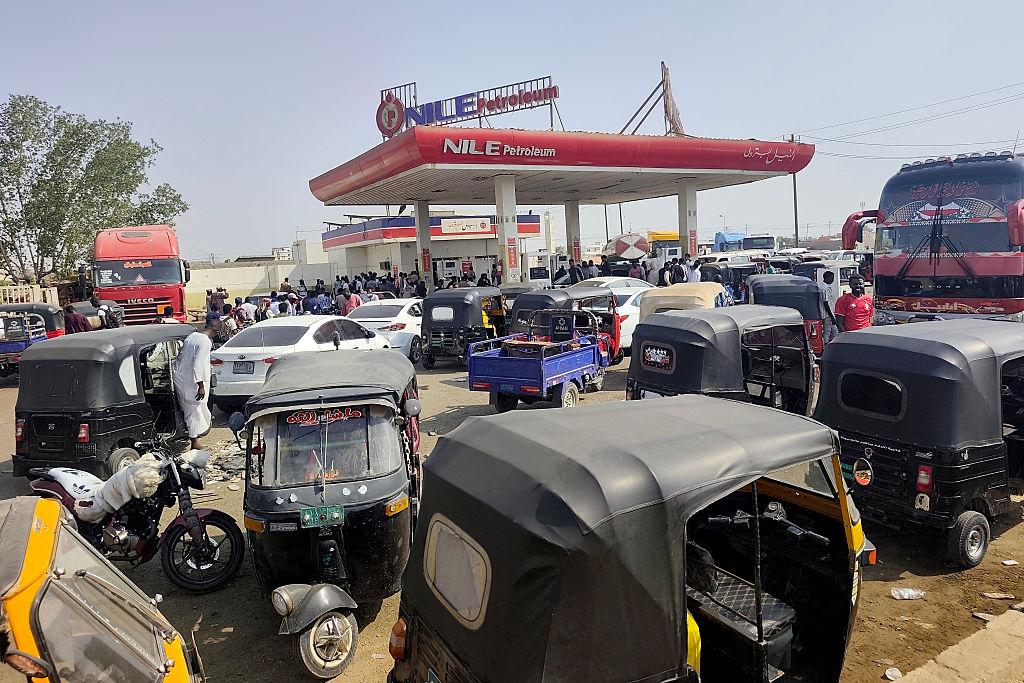
Suspected black-market fuel networks are exploiting Sudan’s worsening economic crisis in Port Sudan, bypassing queues at petrol stations and depriving motorists of supplies amid mounting accusations of security failures and complicity among station employees.
Sudanese journalist Hajar Suleiman reported on Saturday that individuals carrying large jerrycans were repeatedly bypassing vehicles queuing for petrol, securing substantial quantities of fuel allegedly intended for resale at inflated prices on the black market.
Field observations conducted on Friday and Saturday revealed that employees at some fuel stations were allowing individuals carrying containers to access petrol pumps directly, leaving motorists waiting for hours without any guarantee of securing fuel.
The practice has intensified pressure on residents of the Red Sea city, a major centre of operations for the SAF government and Sudan’s principal maritime gateway for fuel imports.
Suleiman reported that a patrol belonging to the General Intelligence Service intervened at a fuel station serving trucks on Friday afternoon, temporarily restoring order and preventing individuals carrying containers from purchasing fuel.
However, the patrol withdrew less than 40 minutes later, allowing the suspected black-market traders to resume their activities until the station exhausted its supplies.
The journalist accused organised fuel trading networks of deliberately creating artificial shortages by diverting available supplies to informal markets, where petroleum products can command significantly higher prices.
She also warned that inadequate supervision could encourage bribery among petrol station employees, further undermining the distribution system and allowing profiteers to exploit ordinary citizens.
The allegations raise fresh questions about the SAF government’s ability to manage essential commodities, even in a strategically important city under its control.
Suleiman called on Red Sea State Governor Lieutenant General Mustafa Mohammed Nour to prohibit the unauthorised filling of jerrycans and deploy police and intelligence personnel to supervise fuel distribution.
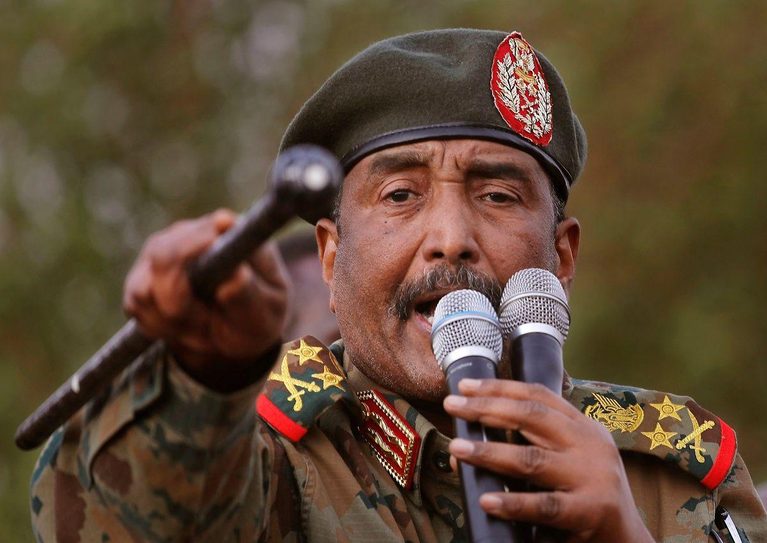
The developments come just days after SAF chief Abdel Fattah al-Burhan intervened directly in Sudan’s petroleum sector, authorising eight approved public and private companies to import petroleum products under central bank supervision.
The SAF government’s energy ministry had previously acknowledged that financial and administrative obstacles contributed to disruptions in fuel supplies, while admitting that some traders had exploited shortages for personal financial gain.
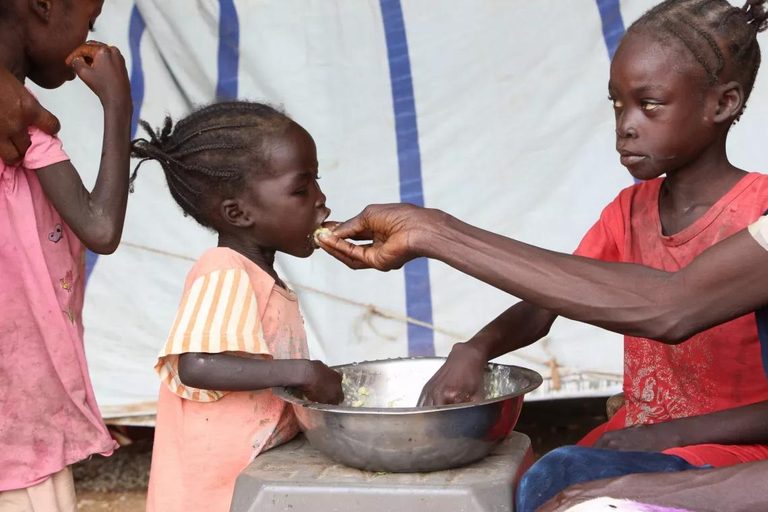
Despite repeated official promises to stabilise the market, soaring fuel prices have increased transportation costs, disrupted agricultural activities and placed additional pressure on food prices across Sudan.
The latest allegations from Port Sudan suggest that increasing imports alone may prove insufficient unless authorities also address suspected profiteering, weaknesses in distribution and inadequate enforcement at petrol stations.
No immediate official response to Suleiman’s allegations was available.
Spotted an error? Contact our corrections desk.