UN famine warning challenges SAF government’s hunger denial
UN famine warning challenges SAF government's denial as millions of Sudanese face acute hunger
Two United Nations agencies have warned that 13 areas of Sudan face the risk of famine through January 2027, days after the SAF government’s humanitarian aid commissioner dismissed claims of famine in the country as politically motivated.
The World Food Programme (WFP) and the Food and Agriculture Organization (FAO) warned in a joint report released on Friday that Sudan remains among the world’s most severe hunger emergencies, with millions facing food shortages amid continuing warfare, displacement, economic deterioration and dwindling humanitarian funding.
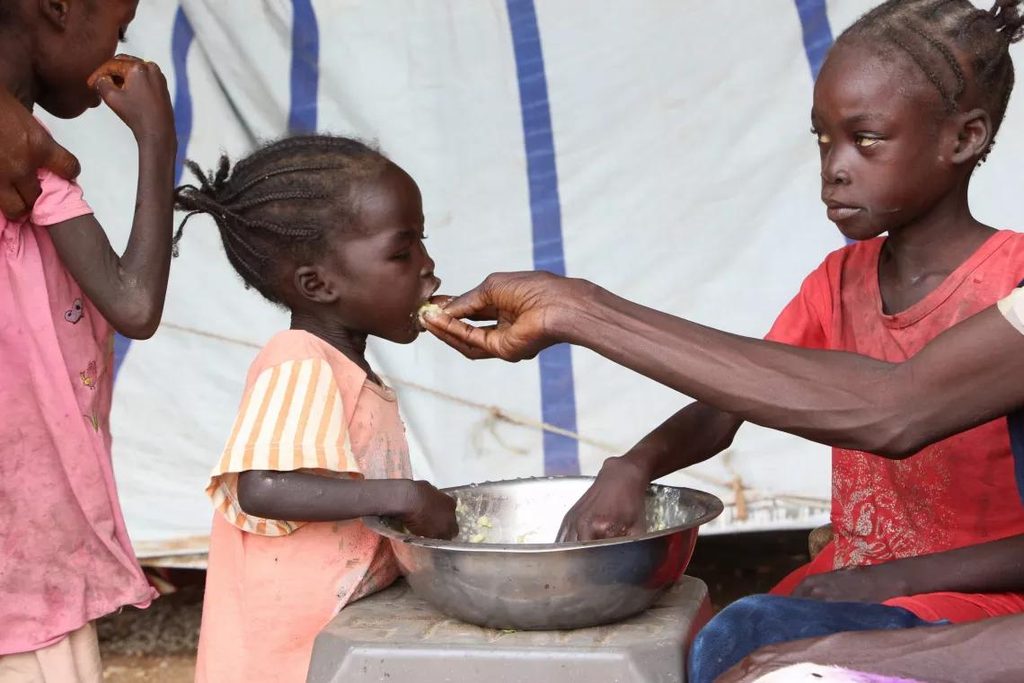
The latest nationwide food security assessment found that approximately 19.5 million Sudanese, representing 41 percent of the population, faced crisis levels of hunger or worse between February and May 2026.
More than five million were experiencing emergency levels of food insecurity, while nearly 135,000 faced catastrophic conditions.
The agencies identified 13 areas and displacement settlements across North Darfur and South Kordofan where famine could occur under a reasonable worst-case scenario.
Acute malnutrition rates in two displacement camps in South Darfur have already exceeded famine thresholds, although that indicator alone does not constitute a formal famine classification.
SAF government denies famine
The findings stand in stark contrast to remarks made on November 24 by SAF government humanitarian aid commissioner Salwa Adam Buniya, who categorically denied the existence of famine in Sudan.
Speaking in Port Sudan, Buniya claimed that reports of famine served political objectives and argued that there was insufficient evidence to substantiate such declarations.
She instead attributed suffering to the deliberate obstruction of humanitarian assistance and claimed that her administration was facilitating relief deliveries across the country, including areas controlled by the Rapid Support Forces (RSF) and forces led by Abdel Aziz al-Hilu.
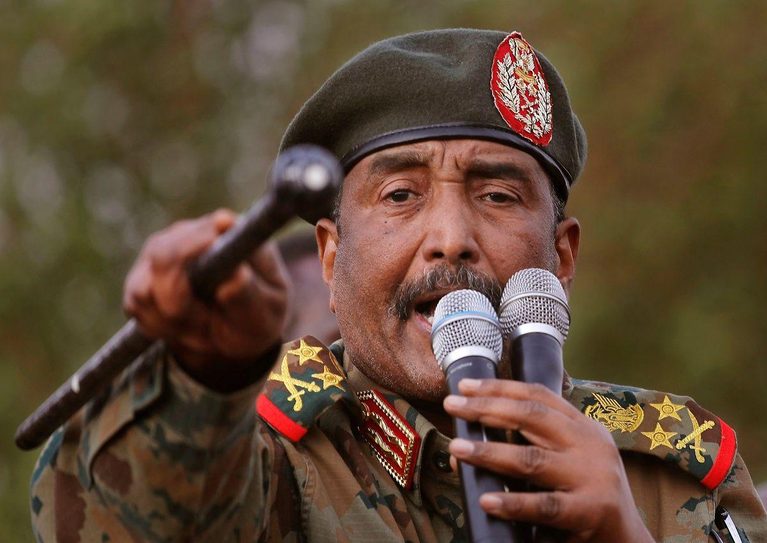
Her remarks followed similar statements by SAF chief Abdel Fattah al-Burhan, who has dismissed reports of famine despite mounting evidence of severe food shortages and deteriorating living conditions.
The health minister of the TASIS-led Government of Peace and Unity, Alaaeldin Awad Nugud, previously accused the SAF government and its Islamist allies of attempting to conceal the scale of Sudan’s hunger emergency through disinformation.
Economic collapse compounds hunger
The UN agencies warned that drought, declining agricultural production and rising food prices were placing additional pressure on households already struggling to survive.
Agricultural regions including Sennar and Gedaref have been affected by drought associated with El Niño, threatening harvests and the livelihoods of farming communities.
The WFP is also facing substantial funding shortages, forcing the agency to cut emergency food assistance for approximately 900,000 vulnerable people during the final months of 2026.
Displacement continues despite returns
Although millions of Sudanese have returned to their communities, the humanitarian emergency shows little sign of abating.
The International Organization for Migration recorded nearly 5.4 million returnees across ten Sudanese states by late October, even as displacement increased in 12 of the country’s 18 states.
Many returning families face destroyed homes, damaged infrastructure, limited employment opportunities and inadequate access to essential services.
Meanwhile, continuing fighting in southern and western Sudan is generating further displacement, with civilians also seeking refuge in neighbouring Chad.
Spotted an error? Contact our corrections desk.