Eastern Sudan tribes reach deal to end nine-year port dispute
Eastern Sudan tribes reach a deal over Haidob port after nine years of disputes
Two tribal communities in eastern Sudan have reportedly reached an agreement to end a nine-year dispute over the Haidob livestock export port near Suakin, as Sudan’s SAF government seeks to revive economic activity along the strategically important Red Sea coast.
Red Sea State Governor Mustafa Mohammed Nour announced on Friday that the Samarar and Kameilab tribes had reached an understanding over the operation of the port, which has been at the centre of a dispute dating back to 2017.
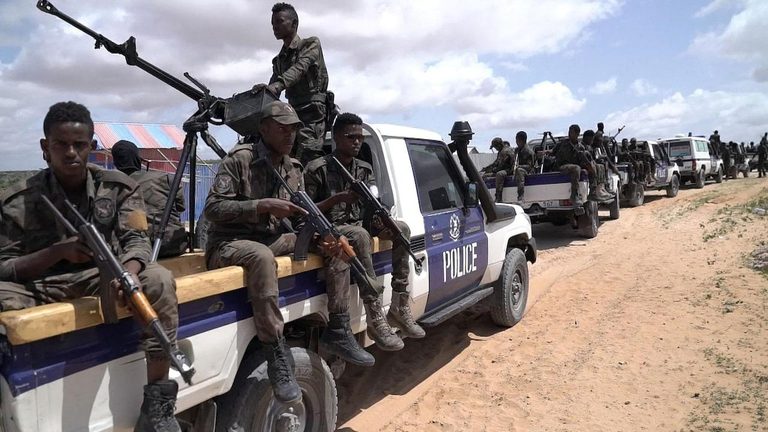
The announcement coincided with a visit by SAF chief Abdel Fattah al-Burhan to eastern Sudan, where he held meetings with tribal leaders, community representatives and traditional authorities to discuss development projects and public services.
Burhan welcomed the agreement, claiming that operating the port would generate employment opportunities for local communities and increase revenues from Sudan’s livestock exports.
Mohammed Ahmed al-Amin Turk, paramount chief of the Hadendowa tribe, said Burhan’s visit to Port Sudan and Suakin focused on addressing longstanding problems facing residents of eastern Sudan, particularly deficiencies in public services.
Nour attributed the reported settlement to mediation involving government institutions, traditional authorities, tribal representatives and youth leaders.
He also credited SAF government Sovereignty Council member Nawara Abu Mohammed with helping bridge differences between the two communities.
However, the announcement provided no detailed information about the terms of the agreement, outstanding compensation claims, revenue-sharing arrangements or a timetable for the port becoming fully operational.
The dispute has historically centred on competing land claims and demands for compensation from local communities.
In August 2022, Radio Dabanga reported that Kameilab activists had staged a prolonged sit-in at Haidob, demanding that the Sea Ports Corporation honour an agreement to compensate residents for land used to construct the facility.
The dispute also triggered violence between members of the rival communities, leaving several protesters injured.
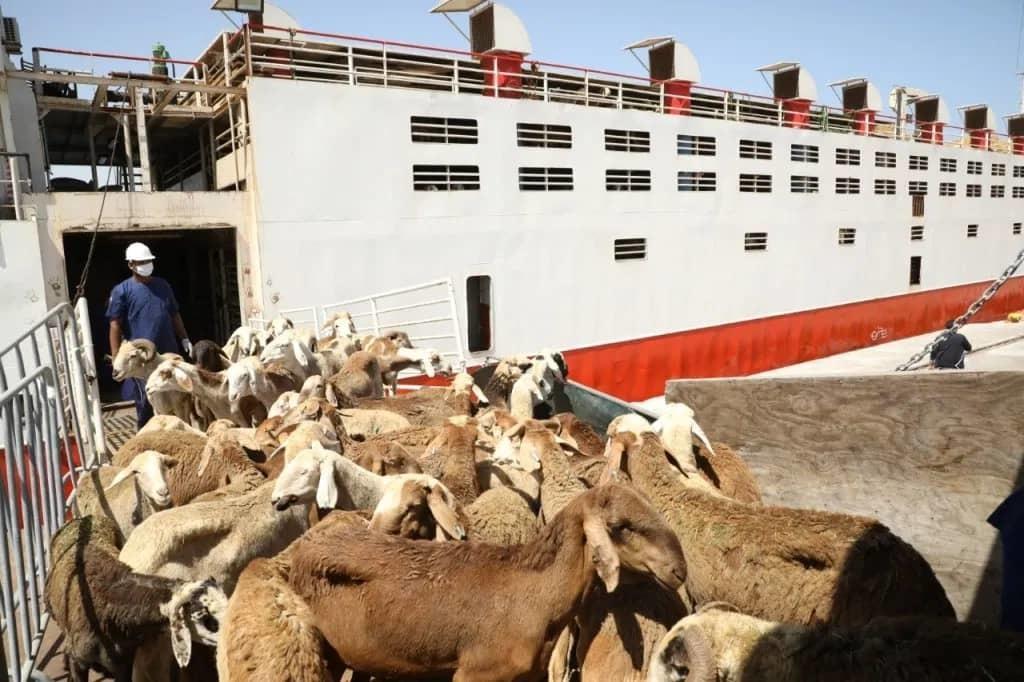
Constructed by the China Harbour Engineering Company in 2020, Haidob was designed to facilitate exports of cattle, camels and sheep to international markets.
The port has struggled to reach its full operational capacity, while Sudanese livestock exporters have also faced rising taxes, administrative fees and transportation costs since the outbreak of war in April 2023.
The latest agreement comes as the SAF government seeks to maintain economic activity and secure export revenues amid Sudan’s continuing war and economic crisis.
Neither the Rapid Support Forces (RSF) nor the Sudan Founding Alliance (TASIS) had issued a publicly identifiable response to the announced agreement at the time of reporting.
Spotted an error? Contact our corrections desk.