Iran’s currency collapses as dollar approaches 3 million rials
Iran’s currency hits a historic low as US sanctions tighten and food prices more than double
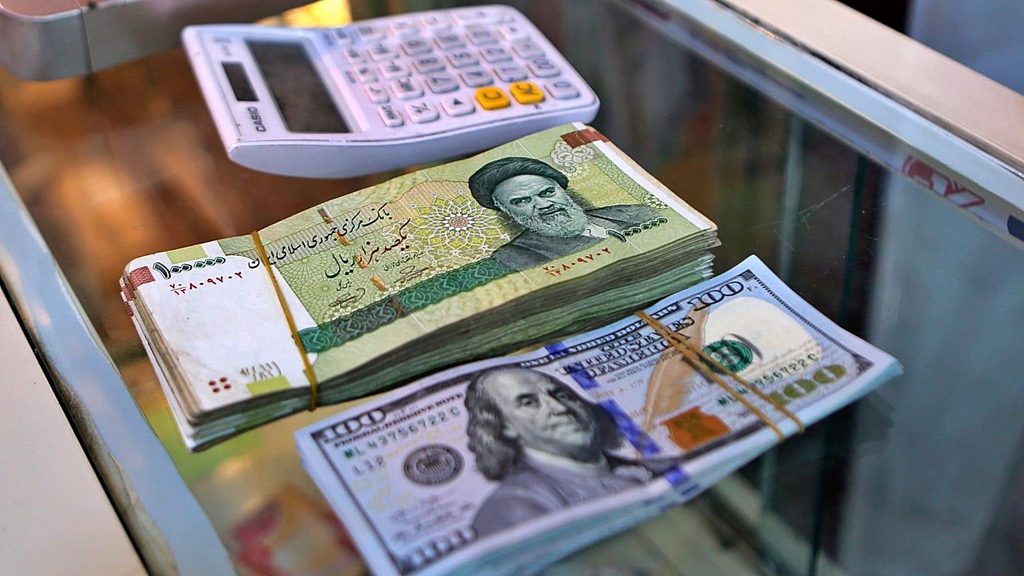
Iran’s currency plunged to a historic low on Saturday, approaching three million rials to the US dollar as mounting American sanctions, a naval blockade and spiralling inflation deepened the country’s economic crisis.
The dollar traded at around 2.99 million rials on the unofficial market, compared with 2.938 million on Friday, according to currency tracking website Bonbast.
Another exchange rate monitoring platform, Alanchand, placed the dollar at 2.997 million rials, marking a daily increase of 1.77% and bringing the Iranian currency dangerously close to another psychological threshold.
Iran is experiencing one of its most severe inflationary crises in decades, fuelled by nine months of war, international economic isolation and increasingly aggressive US measures targeting Tehran’s financial and commercial networks.
Washington reinstated its naval blockade of Iranian ports in July, further restricting the country’s access to international markets and foreign currency revenues.
Earlier this month, the United States also announced the establishment of Task Force Iron Gate, an initiative aimed at restricting the movement of weapons and sanctioned materials across Iran’s land borders and the Caspian Sea.
The measures have been accompanied by fresh sanctions targeting Tehran’s shadow banking networks, which Washington accuses of helping Iran circumvent international financial restrictions.
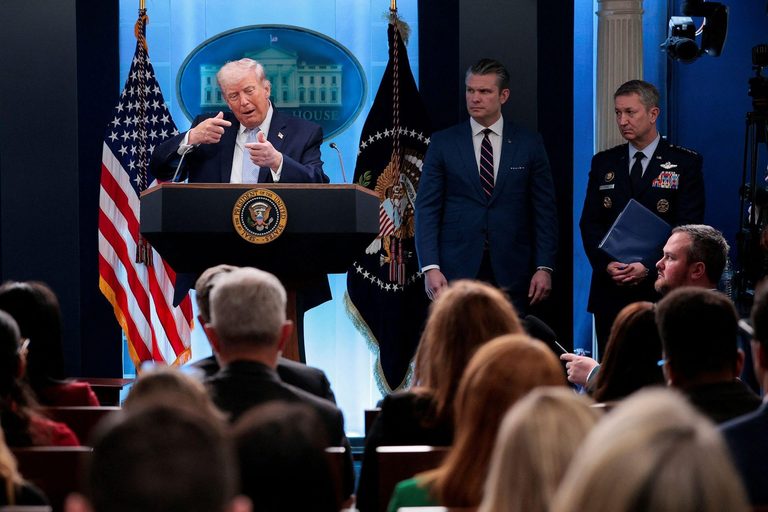
“Iran’s economy is underwater, and its leaders are panicking,” US Treasury Secretary Scott Bessent said earlier this week while announcing the latest sanctions package.
Iranian Central Bank Governor Abdolnaser Hemmati sought to reassure the public on Saturday, insisting that the country retained sufficient foreign currency reserves to finance imports of essential commodities and medicines for several months.
However, Hemmati acknowledged that political uncertainty and deteriorating public confidence were contributing to volatility in the foreign exchange market.
“Foreign exchange is affected by many factors such as the economy, expectations and politics,” he told Iranian state television, adding that authorities were attempting to stabilise the market.
Growing numbers of Iranians have turned to US dollars, other foreign currencies and gold to protect their savings against the rapid erosion of the rial’s purchasing power.
Official figures from the Statistical Centre of Iran showed that consumer prices in October were 88.7% higher than a year earlier, while annual average inflation climbed to 76.8%.
Food and beverage prices surged by 112.6% year-on-year, more than doubling the cost of essential goods and placing additional pressure on Iranian households.
The rial had already breached the two-million-per-dollar threshold in August, following a sustained depreciation that has accelerated as Washington expands its economic pressure campaign.
The latest currency collapse underscores the growing economic challenges confronting Iran’s clerical leadership as it struggles to contain inflation, maintain public confidence and withstand mounting external pressure.
Spotted an error? Contact our corrections desk.